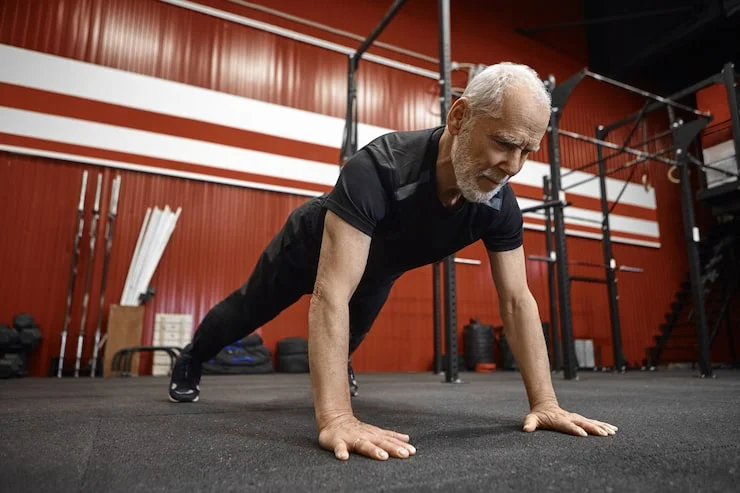
Your body changes after 60. Muscle mass drops faster than it did in your 30s and 40s. Energy fades. Stairs feel steeper. Carrying groceries becomes a chore.
This is not just about looking different. It is about losing the ability to do things you enjoy. Muscle loss affects balance, walking speed, and how well you recover from illness. It increases the chance of falls, and falls can change everything.
The good news is that strength training can slow this down. It can even reverse some of it. Research shows that adults in their 80s and 90s who lift weights gain strength and muscle in just 12 weeks. The body still responds to training at any age. It just needs the right push.
This article explains how to start, what to do, and how to stay safe. No complicated terms. No unrealistic promises. Just clear steps for strength training for adults over 60.
What Happens to Your Muscles as You Age?
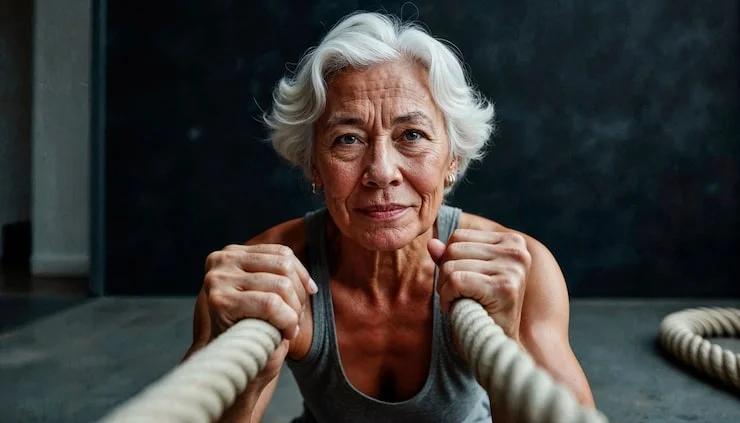
Muscle loss starts earlier than most people think. It begins in your 30s and 40s, at about 3% to 6% per decade. After 60, the rate speeds up. By your 80s, you may have lost a third of the muscle you once had.
This process is called sarcopenia. It is not a disease. It is a natural part of aging. But how fast it happens depends a lot on how you live.
Muscle does more than move your body. It stores protein. It helps control blood sugar. It supports your bones. When muscle goes away, these jobs suffer too. Bones get weaker. Blood sugar gets harder to manage. Joints take more stress.
The muscles that control balance and help you stand up from a chair are often hit hardest. These are the muscles in your legs and hips. When they get weak, daily tasks become risky. Getting out of bed. Stepping off a curb. Reaching for something on a shelf.
Strength training tells your body to hold onto muscle. It sends a signal that these tissues are still needed. Without that signal, the body lets them go.
Real Benefits You Will Notice
The benefits of strength training go beyond bigger muscles. They show up in how you live.
You stay independent. The ability to get up from a chair, carry your own luggage, and climb stairs without help comes from leg and hip strength. Training those muscles keeps you in control of your own life.
Your balance improves. Weak legs and hips make falls more likely. Strength training makes your legs more stable. It also trains the muscles that catch you when you slip. Fewer falls mean fewer broken bones and hospital visits.
Your bones get stronger. Lifting weights puts stress on your bones. That stress tells your body to make them denser. This is important after menopause, when bone loss speeds up. Stronger bones resist fractures.
Your heart works better. Strength training improves blood pressure, blood sugar, and cholesterol. It helps your blood vessels stay flexible. Studies show people who do resistance training have a 10% to 20% lower risk of dying from heart disease or cancer.
Your mood and thinking improve. Older adults with depression and anxiety report fewer symptoms after strength training. Research also links it to better memory and attention. One study found less shrinkage in a brain area important for learning after six months of training.
Everyday tasks get easier. Gardening. Playing with grandchildren. Carrying groceries. These are the things that make life good. Strength training makes them possible again.
Read Also: Consequences Of Lack Of Sleep In Elderly
How Often and How Much?
The guidelines are simple. Adults 65 and older need muscle-strengthening activities at least two days a week. That is the minimum. More is better.
Each session should work all the major muscle groups. Legs. Hips. Back. Chest. Abdomen. Shoulders. Arms. You can do this with free weights, machines, resistance bands, or your own body weight.
For each exercise, aim for 8 to 12 repetitions. That counts as one set. Start with one set. Add a second or third set as you get stronger.
The last one or two reps should feel hard. If you can easily do 12, the weight is too light. If you cannot do eight with good form, it is too heavy.
Rest between sessions. Your muscles need time to repair. Do not train the same muscles hard two days in a row.
Balance exercises also matter. They help prevent falls. Standing on one leg, walking heel-to-toe, or using a wobble board are simple options. Strength training for your legs also helps your balance.
Getting Started Safely
Before you start, talk to your doctor. This is especially important if you have heart problems, joint issues, or a history of falls. Your doctor can tell you if there are movements you should avoid.
Start light. Use a weight you can lift eight to 12 times with good form. A can of soup. A water bottle. A resistance band. The weight does not need to be heavy at first. What matters is that you challenge the muscle.
Warm up before you lift. March in place. Move your arms in circles. Do a few bodyweight squats. This gets blood flowing to your muscles and lowers injury risk.
Cool down after. Stretch gently. Walk around. Let your heart rate come down slowly.
Focus on form. Bad form with a light weight is still bad. It can hurt your joints. If you are not sure, work with a trainer for a few sessions. A trainer who has experience with older adults can show you the right way to move.
Progress slowly. When eight to 12 reps feel easy, add a little weight. Or do an extra set. Give your body weeks, not days, to adjust.
If you have a chronic condition, you can still train. In fact, strength training helps manage many conditions. But you need a plan that fits your situation. Your doctor or a physical therapist can help you build one.
Exercises That Work
You do not need a gym. You do not need fancy equipment. These exercises cover the major muscle groups and can be done at home.
Chair stand. Sit in a sturdy chair. Feet flat on the floor. Cross your arms over your chest. Stand up without using your hands. Sit back down slowly. This trains the legs and hips. It directly mimics getting out of a chair or car. Do 8 to 12 reps.
Biceps curl. Hold a weight in each hand. Arms at your sides. Palms facing in. Bend one elbow and lift the weight toward your shoulder. Keep your elbow close to your side. Lower slowly. Repeat with the other arm. This builds arm strength for carrying and lifting.
Reverse fly. Sit in a chair. Hold weights in front of your chest. Elbows slightly bent. Lean forward a little from your hips. Pull the weights apart. Try to squeeze your shoulder blades together. Pause. Return to start. This strengthens your upper back and shoulders. Good posture depends on these muscles.
Bodyweight squat. Stand with feet slightly wider than your hips. Toes pointing forward. Push your hips back like you are sitting in a chair. Bend your knees. Go down as far as comfortable. Push back up. If this is too hard, hold onto a counter or do the chair stand instead. Squats build the legs and glutes.
Step-ups. Find a low step or a sturdy box. Step up with one foot. Bring the other foot up. Step down. Lead with the same foot for a set. This trains balance and leg strength. It also mimics stairs. Use a railing or wall for support if needed.
Resistance band rows. Sit on the floor with your legs out. Loop a band around your feet. Hold the ends. Pull the band toward your waist. Squeeze your shoulder blades together. This strengthens your back and arms.
Start with one set of each. Do this routine two or three times a week. As it gets easier, add a set or a little more strength training for adults over 60.
The Heavy Weight Question
For years, older adults were told to use light weights and high reps. The idea was that heavy lifting was dangerous. New research challenges that.
A study of adults in their 80s and 90s found that heavy lifting built strength and muscle in 12 weeks. A review of multiple studies found that heavy lifting and even "one-rep max" lifts are safe for healthy older adults and those with chronic illness.
Another study tracked adults with an average age of 71. One group did heavy machine-based lifting. Another did bands and bodyweight. Four years later, the heavy lifters still had strong leg muscles. The other groups had lost strength.
This does not mean you should run out and lift the heaviest weight you can find. It means that challenging your muscles with heavier loads may give longer-lasting results.
If you want to try heavier weights, do it gradually. Work with a trainer who can watch your form. Start with a weight you can lift eight times. When that feels easy, add a little more. The goal is to keep challenging your muscles, not to lift the most weight possible.
Eating for Muscle
You can train all you want. If you do not eat enough protein, your muscles will struggle to grow.
Protein is the building block of muscle. Most older adults need more protein than they are getting. A common target is 1.0 to 1.2 grams of protein per kilogram of body weight per day. For a 150-pound person, that is about 68 to 82 grams.
Spread protein across your meals. Your body can only use so much at once. Aim for 20 to 30 grams at each meal.
Good sources include chicken, fish, lean beef, eggs, Greek yogurt, cottage cheese, beans, and tofu. If you have trouble eating enough, a protein shake can help.
Do not skip meals. Your body needs energy to train and recover. Eat a mix of protein, vegetables, fruits, and whole grains.
Common Mistakes to Avoid

Going too hard too soon. This is the fastest way to get hurt. Start light. Add weight slowly. Let your joints and muscles adjust.
Skipping warm-ups. Cold muscles tear more easily. Five minutes of movement before you lift makes a difference.
Ignoring pain. Muscle burn during a set is normal. Sharp pain is not. If something hurts in a bad way, stop. Do not push through it.
Doing the same thing forever. Your body adapts. If you never change the weight or the exercise, you stop improving. Add a little weight. Try a new movement. Keep challenging yourself.
Not resting enough. Muscle grows during rest, not during the workout. Give each muscle group a day off between hard sessions.
Forgetting to eat. Training without enough protein and calories is like building a house without materials. You need both.
You May Also Like: The Effects of Aging on Brain Function and Mental Health
A Simple Weekly Plan
Here is a sample week. Adjust it to your schedule and abilities.
- Monday: Strength training. Chair stands. Biceps curls. Reverse flys. Bodyweight squats. One or two sets of each.
- Tuesday: Walk or do another aerobic activity. 20 to 30 minutes.
- Wednesday: Strength training. Step-ups. Resistance band rows. Repeat the other exercises or try new ones.
- Thursday: Walk or rest.
- Friday: Strength training. Same exercises as Monday. Try to add a little weight or one more rep.
- Saturday: Balance work. Stand on one leg. Walk heel-to-toe. Do some gentle stretching.
- Sunday: Rest.
This plan hits all the major muscle groups twice a week. It includes aerobic activity and balance work. It gives you rest days.
If you are new to exercise, start with two strength sessions a week. Add more when you feel ready.
When to Talk to Your Doctor?
Check with your doctor before starting if you have:
- Heart disease or uncontrolled blood pressure
- A recent fracture or surgery
- Severe arthritis or joint pain
- A history of falls
- Diabetes that is not well controlled
- Any condition that makes exercise risky
Your doctor can tell you what to avoid and what to focus on. They may refer you to a physical therapist who can design a safe program for you.
Frequently Asked Questions
Is it too late to start if I have never lifted weights?
No. Research shows that even adults in their 80s and 90s gain strength from training. Your body still responds. It just needs a reason to hold onto muscle. Strength training gives it that reason.
How heavy should the weights be?
Use a weight you can lift eight to 12 times with good form. The last two reps should feel hard. If you can do 15 easily, go heavier. If you cannot do eight, go lighter.
Can I strength train if I have arthritis?
Yes, but you need to be smart about it. Strength training can actually reduce arthritis pain by supporting the joints. Start light. Avoid movements that cause sharp pain. Work with a trainer or physical therapist who understands arthritis.
How long until I see results?
Most people notice better energy and easier daily tasks within a few weeks. Visible muscle changes take longer. Strength gains often show up in four to six weeks if you train consistently.
Do I need a gym membership?
No. You can do effective strength training at home with dumbbells, resistance bands, or your own body weight. A sturdy chair and a clear space are enough to start.
What if I miss a week?
Do not worry. Just start again where you left off. If it has been more than two weeks, drop the weight a little and build back up. Your body will remember.
Conclusion
Strength training after 60 is not about becoming an athlete. It is about keeping the life you have. It is about staying in your own home. Playing with your grandchildren. Walking to the mailbox without fear.
You do not need to be perfect. You just need to start. Pick two days this week. Do a few chair stands. Lift a light weight. See how it feels.
Related Post
 08
08 Jun
Resistance Training For Healthy Aging
I want to tell you something. Most people think getting old means getting weak. They think your back starts hurting. They think you cannot walk far. They think you fall down for no reason. That is not the truth. The.
Read More 01
01 Jun
Signs Of High Functioning Anxiety In Adults
Many people think anxiety is something that stops you from working. They think a person with anxiety cannot go outside. They think such a person cannot talk to others. But that is not always true. There is a different kind.
Read More 21
21 May
How Long Does Seasonal Allergy Fatigue Last
If you have seasonal allergies, you know the feeling. Your nose runs. Your eyes itch. But there is another problem that people forget. That problem is tiredness. Deep tiredness. You feel like sleeping all day. You feel weak. This is.
Read More 18
18 May
Signs Of High Functioning Depression In Adults
You know that person in your office who always comes on time? Always has a smile. Always says "I am fine" when you ask. That person might be dying inside. I am not joking. We think depression is crying or.
Read More