

Let me tell you something most people learn too late. Cancer does not announce itself. It does not send a warning letter. It grows quietly, sometimes for ten years or more, while you go about your day feeling perfectly fine.
That is exactly why screening exists. It is a way to look for cancer when there is no reason to suspect it. You feel good. You have no pain. No lump. No cough that will not quit. And still, a test can find something growing inside you before it becomes a problem you cannot ignore.
But here is the truth nobody puts on a poster. Screening is not simple. It saves lives, yes. It also causes false alarms, unnecessary procedures, and in some cases, treatments for cancers that would never have hurt you. Understanding how this all works helps you make better decisions with your doctor.
What Screening Actually Is?
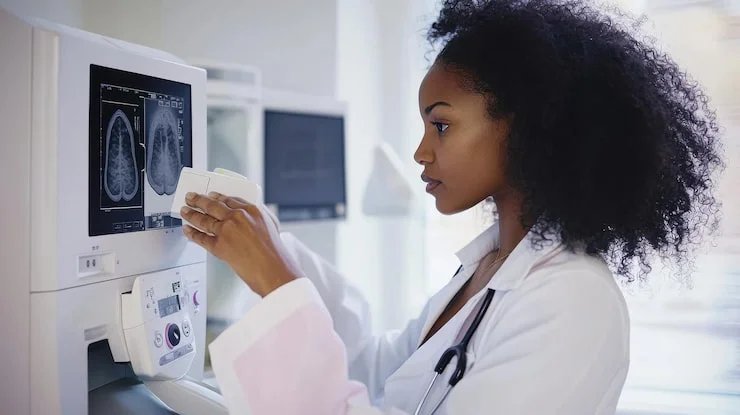
A screening test is done on people with no symptoms. That is the key difference between screening and diagnosis. When you have symptoms and the doctor runs tests to find the cause, that is diagnosis. When you feel fine and the doctor runs tests to find hidden problems, that is screening.
The purpose is simple. Find cancer early. Treat it early. Hopefully cure it or control it for many years.
But not every cancer can be screened. For a screening program to make sense, three things need to be true. The cancer has to be common enough to justify testing large numbers of people. It has to have a long early stage where it can be detected. And there has to be a test that is safe, reliable, and something people will actually do.
Read Also: How To Reduce Cancer Risk Naturally At Home
Why Timing Is Everything?
Cancer does not appear overnight. It starts when normal cells change and begin growing out of control. This process takes years. Sometimes decades. During that time, the cancer is there, but you cannot feel it. You cannot see it. You have no idea.
This long silent period is where screening does its work. If a test can find the cancer during this window, doctors can treat it before it becomes a serious threat.
Take colon cancer as an example. It often begins as small growths called polyps. These polyps are not cancer yet. They can be removed during a colonoscopy before they ever turn into cancer. That means screening for colon cancer can actually prevent cancer from happening. Not just find it early. Prevent it entirely.
But this is where it gets complicated. Some cancers grow fast and spread quickly. By the time screening finds them, they may already be advanced. Other cancers grow so slowly that they would never cause harm in your lifetime. Finding those cancers leads to treatments you never needed. This is called overdiagnosis. It is one of the biggest problems in screening, and most people never hear about it.
The Main Screening Tests
Different cancers need different tests. Each one works in its own way. Each one has strengths and weaknesses.
Mammogram for Breast Cancer
A mammogram is a low-dose X-ray of the breast. It can find tumors too small to feel. It can also find changes in breast tissue that might become cancer later. The test takes a few minutes. Your breast is pressed between two plates so the tissue spreads out and the X-ray can see clearly.
Mammograms have been studied for decades. Most experts agree they have prevented more breast cancer deaths than any other screening tool for women. But they are not perfect. Sometimes they find something suspicious that turns out to be harmless. This is a false positive. False positives lead to more tests, more worry, and sometimes biopsies you did not need.
Pap Smear and HPV Test for Cervical Cancer
Cervical cancer screening looks for abnormal cells on the cervix. The Pap smear collects cells and checks them under a microscope. The HPV test looks for the virus that causes most cervical cancers.
These two tests are often done together for women over 30. Cervical cancer screening is special because it can actually prevent cancer. The test finds precancerous changes long before they become cancer. When those changes are treated, cancer never develops.
Colonoscopy and Stool Tests for Colon Cancer
Colon cancer screening has several options. A colonoscopy uses a thin tube with a camera to look at the entire colon. If polyps are found, they can be removed right away. This is why colonoscopy is called the gold standard. It can both find and prevent cancer.
Stool tests are simpler. You collect a small sample at home and send it to a lab. These tests check for hidden blood or abnormal DNA in the stool. If the result is positive, you need a colonoscopy to find out why.
Low-Dose CT for Lung Cancer
Lung cancer is often found too late. Symptoms like a cough that will not go away appear only after the disease has spread. A low-dose CT scan is a special type of X-ray that takes detailed pictures of the lungs. It uses much less radiation than a standard CT scan.
This test is only for people at high risk. That means adults aged 50 to 80 who have smoked heavily for many years or quit within the past 15 years. It is not for non-smokers. The risks of radiation and false findings outweigh the benefits for people who never smoked.
PSA Test for Prostate Cancer
The PSA test measures a protein in the blood that can be higher in men with prostate cancer. But PSA can also be high for many other reasons. An enlarged prostate. An infection. Even riding a bike before the test.
This makes the test hard to interpret. Because of this, prostate screening is not a simple yes or no decision. It requires a conversation between a man and his doctor about the risks and benefits. Some prostate cancers grow so slowly that they never cause problems. Finding them can lead to treatments that cause impotence or incontinence for no real gain.
Who Should Get Screened?
Screening guidelines are based on age, sex, family history, and lifestyle. Here is a general guide for average-risk adults.
Breast cancer: Women should start talking to their doctor about mammograms at age 40. Most guidelines recommend screening every one to two years.
Cervical cancer: Screening starts at age 21. Women can have a Pap smear every three years, or an HPV test every five years, or both together every five years.
Colon cancer: Both men and women should start screening at age 45. Options include a colonoscopy every 10 years or a stool test every one to three years.
Lung cancer: Adults aged 50 to 80 with a significant smoking history should get a low-dose CT scan every year. Significant means at least 20 pack-years. That is like smoking one pack a day for 20 years.
Prostate cancer: Men should discuss screening with their doctor starting at age 50. Men at higher risk, such as Black men or those with a father or brother who had prostate cancer, should start the conversation at 45 or even 40.
These are general guidelines. Your personal risk may be different. If you have a strong family history of cancer or a known genetic risk, you may need to start screening earlier and test more often.
What Results Really Mean?
Screening tests do not give simple answers. They give probabilities. Understanding what a result means is important.
True Positive
A true positive means the test found something, and follow-up tests confirmed it is cancer. This is the result everyone hopes for when screening works. The cancer is found early, and treatment can begin.
False Positive
A false positive means the test found something suspicious, but follow-up tests show there is no cancer. This happens often with mammograms and PSA tests. False positives cause anxiety, cost money, and lead to procedures that have their own risks. Doctors work hard to reduce false positives, but they cannot eliminate them completely.
True Negative
A true negative means the test found nothing, and you really do not have cancer. This is the most common result.
False Negative
A false negative means the test found nothing, but you actually do have cancer. This is dangerous because it gives false reassurance. The cancer continues to grow and may be found later when it is harder to treat. No screening test is perfect. False negatives happen with every type of screening.
Overdiagnosis
Overdiagnosis is the hardest concept to understand. It means the screening found a cancer that would never have caused symptoms or harm during your lifetime. But because it was found, you get treated. The treatment may involve surgery, radiation, or drugs that cause side effects. You went through all of that for a cancer that would never have hurt you.
Overdiagnosis is most common with prostate cancer and some types of breast cancer. This is why screening decisions are not always clear-cut. The goal is to find the cancers that will cause harm, not every tiny abnormality that would have stayed harmless forever.
The Limits of Screening
Screening has saved many lives. But it is not magic. It has real limits that every person should understand.
First, screening cannot find all cancers. Some cancers grow in places that tests cannot reach. Some grow too fast for screening to catch them in time. A negative test does not mean you will never get cancer.
Second, screening can lead to a chain of events you did not expect. A simple blood test can lead to imaging, then a biopsy, then surgery. Each step carries risk and anxiety. This is called the cascade of care, and it is more common with new multi-cancer blood tests that are still being studied.
Third, screening recommendations change over time. As researchers learn more, they update the guidelines. For example, prostate screening used to be common for older men. Then studies showed high levels of overdiagnosis and unnecessary surgery. Now it is not routinely recommended for men over 70.
You May Also Like: The Role of Rasayana Therapy in Cancer Recovery and Immunity Boosting
New Developments: Blood Tests for Many Cancers

Scientists are working on a new type of screening called multi-cancer early detection. These are blood tests that look for tiny pieces of DNA or other signals that many different cancers release into the blood.
The idea is exciting. One blood test could screen for dozens of cancers at once, including cancers that have no screening test today, like pancreatic or ovarian cancer. A modelling study suggested that annual blood testing could reduce late-stage diagnoses by up to 49% and deaths within five years by 21%.
But these tests are not ready for routine use. They have not been proven in large trials that show they actually save lives. They may find cancers that would never have caused harm, leading to overdiagnosis on a large scale. And they may miss cancers that are growing fast.
Right now, multi-cancer blood tests are a promising area of research, not a replacement for proven screening tests like mammograms and colonoscopies.
FAQs
Does a positive screening test mean I have cancer?
No. A positive screening test means something looks suspicious. You need more tests to find out if it is cancer. Many positive screening results turn out to be false alarms.
If I feel fine, why do I need screening?
Cancer grows silently for a long time before it causes symptoms. By the time you feel something, the cancer may be advanced. Screening is designed to find cancer during the silent period when it is easiest to treat.
Can screening prevent cancer?
Yes, for some cancers. Colonoscopy can remove polyps before they become cancer. Cervical cancer screening can find and treat precancerous cells before they turn into cancer.
How often should I get screened?
It depends on the test. Mammograms are usually every one to two years. Colonoscopies are every 10 years for average-risk adults. Cervical screening is every three to five years. Talk to your doctor about the right schedule for you.
Is screening safe?
Screening tests have risks. Mammograms use a small amount of radiation. Colonoscopies can cause bleeding or tears in the colon, though this is rare. False positives lead to unnecessary worry and procedures. The goal is to balance the benefits of finding cancer early against these risks.
Final Thoughts
Early cancer screening works by finding cancer before it causes symptoms, during a time when treatment is more likely to succeed. For breast, cervical, colon, and lung cancer, screening has been proven to save lives. It can even prevent some cancers from ever developing.
But screening is not perfect. It can miss cancers, find cancers that would never have caused harm, and lead to unnecessary tests and treatments. The best approach is to understand the tests, know your personal risk, and make decisions with your doctor. Screening is a tool, not a guarantee. Used wisely, it is one of the most powerful tools we have against cancer.
Related Post
 15
15 May
How To Calm Anxiety Before Bed
You know the feeling. You’ve had a massive day. You’re wiped out. You finally hit the lights, crawl under the covers, and... your brain turns into a neon-lit carnival of stress. Suddenly, you’re thinking about that weird look your boss.
Read More 11
11 May
Natural Remedies For Seasonal Allergies For Kids
Every spring, my neighbor's kid turns into a walking tissue box. Pollen hits, and boom—itchy eyes, stuffy nose, the works. If that's your story too, natural remedies for seasonal allergies for kids might be your best friend. These allergies sneak up when.
Read More 05
05 May
Best Ayurvedic Herbs For Aging Skin
You know that moment when you catch your reflection and think, "When did that happen?" Lines creeping in, skin going dull. Happens to the best of us. Ayurveda steps in like an old wise friend. It's all about herbs that.
Read More 24
24 Apr
How To Improve Gut Health Naturally After 40
Hitting 40 snuck up on me like a bad habit. Suddenly, that extra slice of pizza sits like a brick, mornings feel foggy, and bathroom trips turn unpredictable. Sound familiar? It's your gut microbiome going wonky—those billions of tiny gut.
Read More