Common health problems in children range from mild infections that clear up on their own to chronic conditions that need ongoing care. Most parents will deal with a handful of these issues during their child's early years. Knowing what to expect, how to spot warning signs, and when to seek medical help makes a real difference in how quickly a common health problems in children.
This guide covers the health problems children face most often, with practical information you can use right away.
What Are the Most Common Health Problems in Children?
Children get sick more often than adults because their immune systems are still learning how to fight germs. They also spend time in schools and daycares where viruses and bacteria spread easily.
The most frequent issues fall into a few groups:
- Infections that affect breathing, digestion, and the whole body
- Chronic conditions that last months or years, like asthma and allergies
- Skin problems that cause rashes, itching, or irritation
- Developmental and mental health concerns that affect how a child learns and behaves
Each type has its own signs and care needs. Some children get through these with rest and fluids at home. Others need medicine or a doctor's help.
Read Also: How To Reduce Pollen Allergies In Children
Respiratory Infections: The Most Frequent Childhood Illness
Respiratory infections are the number one reason children visit the doctor. Young children average six to eight colds a year, and that number can climb higher for kids in group childcare .
Colds and Flu
The common cold is caused by many different viruses. A runny nose, sneezing, mild cough, and low fever are typical signs. Most colds get better in a week to ten days without special treatment. Rest, fluids, and a humidifier help a child feel more comfortable.
Flu hits harder. It comes on fast with high fever, body aches, chills, and a dry cough. Children with the flu often look and feel much sicker than those with a cold. Flu can lead to pneumonia or other serious problems, so children with symptoms should see a doctor, especially if they are under five or have ongoing health issues.
Ear Infections
Ear infections often follow a cold. Fluid builds up behind the eardrum and gets infected. A child with an ear infection may tug at their ear, cry more than usual, have trouble sleeping, or run a fever. Ear pain is the clearest sign. Some ear infections clear on their own, but many need antibiotics. A doctor can look inside the ear to tell for sure.
Pneumonia
Pneumonia is an infection deep in the lungs. It causes a wet cough, fast breathing, chest pain, and fever. Children with pneumonia may breathe harder than normal and seem tired or weak. This condition needs medical care because it can become serious fast. Babies and children with weak immune systems are at higher risk.
Digestive Problems: Diarrhea, Vomiting, and Stomach Bugs
Digestive issues are common in children because they put hands and objects in their mouths. Viruses, bacteria, and food sensitivities all cause stomach trouble.
Diarrhea
Loose, watery stools happen when the gut lining gets irritated. Viral infections are the usual cause. The main danger with diarrhea is dehydration. A child who is losing fluid through frequent stools needs to drink often. Signs of dehydration include dry mouth, fewer wet diapers, crying without tears, and unusual sleepiness. Oral rehydration solutions work better than plain water because they replace salts the body needs.
Vomiting
Vomiting is the body's way of emptying the stomach when something is wrong. It often comes with diarrhea. The same rule applies: watch for dehydration. Small sips of clear fluids every few minutes work better than large amounts at once. A child who cannot keep anything down for more than a day, or who shows signs of dehydration, should see a doctor.
Constipation
Constipation means hard stools that are painful to pass. It happens when a child does not eat enough fiber, drinks too little water, or holds stool because going hurts. Toilet training can also cause it. Treatment starts with diet changes: more fruits, vegetables, and whole grains. Plenty of water helps too. If diet changes do not work, a doctor may suggest a stool softener.
Chronic Conditions: Asthma, Allergies, and Eczema
Some children deal with health problems that last a long time. These conditions need ongoing management rather than one-time treatment.
Asthma
Asthma makes the airways swell and narrow. A child with asthma may cough, wheeze, or feel short of breath. Symptoms often get worse at night, during exercise, or after a cold. Asthma triggers include dust, pollen, smoke, pet dander, and cold air. Some children outgrow asthma, but many need treatment for years. Inhaled medicines that open the airways and reduce swelling are the main treatment. An asthma action plan helps parents know what to do when symptoms flare up.
Allergies
Allergies happen when the immune system overreacts to something harmless, like pollen or peanuts. Symptoms can be mild (sneezing, itchy eyes, rash) or severe (trouble breathing, swelling of the face or throat). Severe allergic reactions are emergencies and need immediate medical help. Children with food allergies need careful avoidance of the trigger and may carry emergency medicine. Seasonal allergies can be managed with antihistamines and by reducing exposure to pollen.
Eczema
Eczema, also called atopic dermatitis, causes dry, itchy, red patches on the skin. It often starts in babies on the face or scalp and moves to the elbows and knees as children grow . The itch can be intense and lead to scratching, which makes skin raw and open to infection. Moisturizing the skin daily is the foundation of care. Doctors may also prescribe creams to calm flare-ups.
Skin Problems and Rashes
Skin issues are easy to spot but sometimes hard to figure out. Many are harmless and go away on their own.
Diaper Rash
Diaper rash looks like red, irritated skin in the diaper area. It happens when wet or soiled diapers sit against the skin too long. Changing diapers often, cleaning gently, and using a barrier cream usually clears it up. If the rash has blisters, pus, or spreads beyond the diaper area, it may be a yeast or bacterial infection that common health problems in children.
Hand, Foot, and Mouth Disease
This viral illness causes sores in the mouth and a rash on the hands and feet. It is common in children under five. The mouth sores can make eating and drinking painful, so watch for dehydration. Cold foods like yogurt or popsicles can help. The illness usually goes away in a week to ten days.
Fifth Disease
Fifth disease starts with a low fever and a "slapped cheek" rash on the face. A lacy red rash may spread to the arms and legs. It is mild in most children and clears without treatment. Pregnant women and people with certain blood conditions should be careful around a child with fifth disease because it can cause problems for them.
Mental Health and Developmental Concerns
Health problems in children are not just physical. Emotional and developmental issues affect how a child learns, behaves, and relates to others.
Anxiety
Anxiety in children can look like worry that does not go away, trouble sleeping, stomachaches with no clear cause, or refusing to go to school. Some children are shy by nature, but anxiety that interferes with daily life needs attention. Talk therapy helps children learn to manage anxious thoughts. Parents can also support a child by listening without judgment and keeping routines steady.
ADHD
Attention-deficit/hyperactivity disorder makes it hard for a child to focus, sit still, or control impulses. Signs show up before age twelve and appear in more than one setting, like home and school. ADHD is not caused by bad parenting or too much sugar. Treatment may include behavior therapy, parent training, and sometimes medicine. A doctor or mental health professional can make the diagnosis.
Depression
Depression in children goes beyond normal sadness. A child with depression may seem irritable, lose interest in things they used to enjoy, sleep too much or too little, or talk about feeling worthless. These signs lasting more than two weeks should prompt a talk with a doctor. Early help makes a big difference.
You May Also Like: Common Child Health Issues and Prevention – A Complete Parent’s Guide
When Should You Take Your Child to the Doctor?

Most childhood illnesses get better with home care. But some signs mean a child needs medical attention right away.
Go to the emergency room or call emergency services if your child:
-
Has trouble breathing or breathes much faster than normal
-
Has a fever with a stiff neck, severe headache, or rash that does not fade when pressed
-
Is hard to wake up or seems confused
-
Has a seizure
-
Shows signs of severe dehydration (no urine for eight hours, sunken eyes, no tears)
Call your doctor if your child:
-
Has a fever above 100.4°F (38°C) and is under three months old
-
Has a fever lasting more than three days
-
Has diarrhea or vomiting that does not improve after 24 hours
-
Has ear pain or fluid draining from the ear
-
Has a rash that spreads quickly or looks like bruises
-
Seems to be getting worse instead of better
Trust your instincts. If something feels wrong, it is always okay to call the doctor.
Frequently Asked Questions
How can I tell if my child's cold is serious?
A cold that stays mild—runny nose, sneezing, low fever—is usually not serious. Watch for signs of trouble: fast or hard breathing, chest pain, a fever that comes back after improving, or symptoms that last more than ten days. These can mean a sinus infection, ear infection, or pneumonia.
What is the best way to prevent common childhood illnesses?
Hand washing is the single most effective step. Teach children to wash with soap for at least twenty seconds after using the bathroom, before eating, and after coughing or sneezing. Keeping vaccinations up to date prevents many serious infections. Good sleep, healthy food, and regular exercise also help the immune system work well.
Are common childhood illnesses contagious?
Most of them are. Colds, flu, stomach bugs, hand-foot-and-mouth disease, and fifth disease all spread from person to person. Children are most contagious in the first few days of illness. Keeping a sick child home from school or daycare helps stop the spread.
Can I treat my child's fever at home?
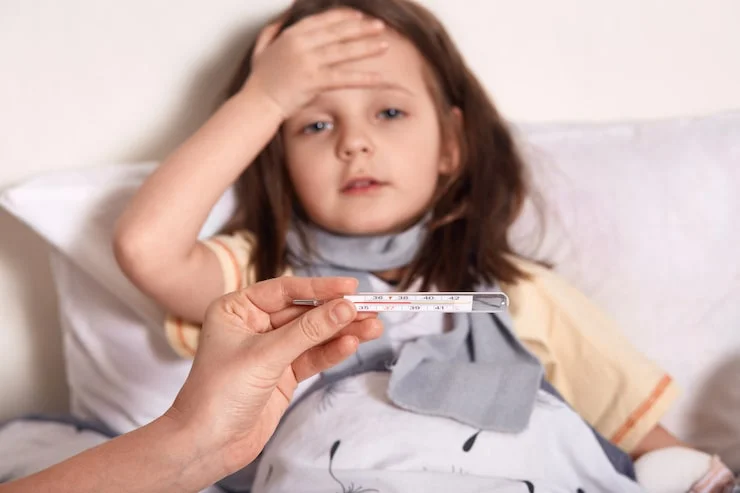
Yes, for most children. A fever is the body's way of fighting infection. If a child is uncomfortable, acetaminophen or ibuprofen can bring the fever down. Never give aspirin to a child or teen. Use the dose recommended for your child's weight, not age. And remember: the number on the thermometer matters less than how the child looks and acts.
When do children outgrow common health problems?
Many do. Ear infections and colds become less frequent as children get older and their immune systems mature. Some children outgrow asthma and eczema. Others continue to manage these conditions into adulthood. Allergies often last a lifetime. ADHD and anxiety can improve with treatment but may need ongoing care.
Final Thoughts
Common health problems in children are a normal part of growing up. Most are mild, short-lived, and manageable at home. The key is knowing what you are dealing with, watching for warning signs, and getting help when you need it.
Keep your child's vaccinations current. Teach good hand washing. Make sure they get enough sleep and eat well. And when illness strikes, trust your instincts about when to call the doctor. You know your child better than anyone.
Related Post
 08
08 Jun
Resistance Training For Healthy Aging
I want to tell you something. Most people think getting old means getting weak. They think your back starts hurting. They think you cannot walk far. They think you fall down for no reason. That is not the truth. The.
Read More 01
01 Jun
Signs Of High Functioning Anxiety In Adults
Many people think anxiety is something that stops you from working. They think a person with anxiety cannot go outside. They think such a person cannot talk to others. But that is not always true. There is a different kind.
Read More 21
21 May
How Long Does Seasonal Allergy Fatigue Last
If you have seasonal allergies, you know the feeling. Your nose runs. Your eyes itch. But there is another problem that people forget. That problem is tiredness. Deep tiredness. You feel like sleeping all day. You feel weak. This is.
Read More 18
18 May
Signs Of High Functioning Depression In Adults
You know that person in your office who always comes on time? Always has a smile. Always says "I am fine" when you ask. That person might be dying inside. I am not joking. We think depression is crying or.
Read More