My neighbor has dealt with sneezing fits every spring for as long as I can remember. She tried every pill on the shelf. Nothing worked well enough. Then she changed what she ate. Not all at once. Slowly. And something shifted. Her symptoms did not vanish completely. But she stopped dreading the season. That got me curious. I started reading. I asked questions. What I found surprised me.
Most people think allergies are just about pollen or dust. They are not. They are about how your body reacts. And that reaction involves inflammation. When your immune system spots something it does not like, it releases chemicals. Histamine is the big one. It makes your nose run. It makes your eyes itch. It makes your throat swell. That is inflammation in action.
Here is the thing. Some foods make this inflammation worse. Others cool it down. The right foods do not cure allergies. They do something more useful. They change how your body handles the trigger. Your immune system stays calmer. The histamine release is smaller. The symptoms are milder. This is not magic. This is an anti inflammatory foods for allergies.
What Actually Happens Inside Your Body?
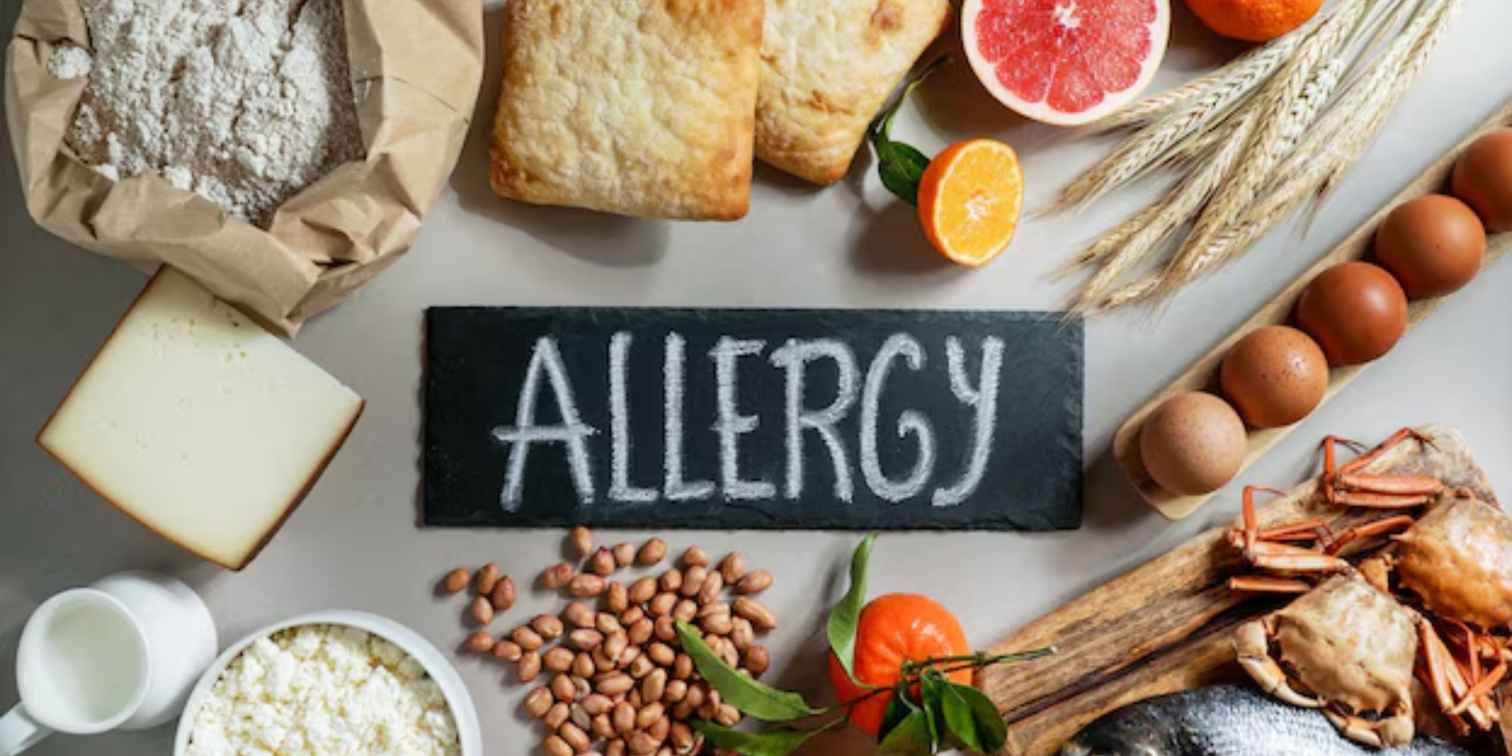
Your body has these cells called mast cells. They hold histamine. When you breathe in pollen or touch something you are allergic to, these cells break open. Histamine floods out. That flood causes your symptoms.
Now think about food. Some foods contain natural compounds that tell these mast cells to stay closed. They stop the histamine from spilling out. Other foods give your body the tools it needs to clean up the inflammation faster. It is like having a fire extinguisher before the fire even starts.
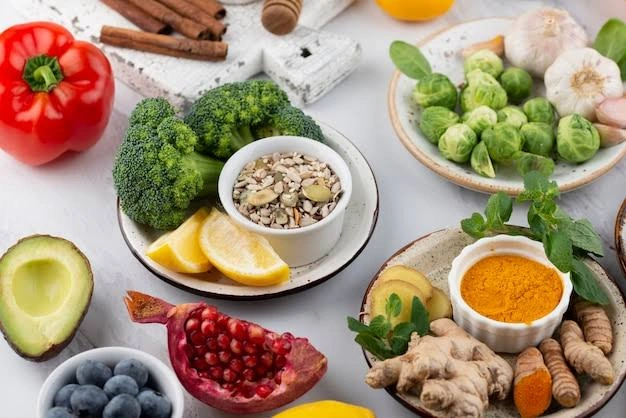
The compounds that do this work are not rare or expensive. They are in fruits. They are in vegetables. They are in spices you already have in your kitchen. You do not need exotic supplements. You need regular food eaten regularly.
Read Also: Allergy Congestion Relief At Home
The Foods That Help
Let us talk about specific foods. I will not give you a long list that feels like a textbook. I will tell you what works and why.
Fatty Fish
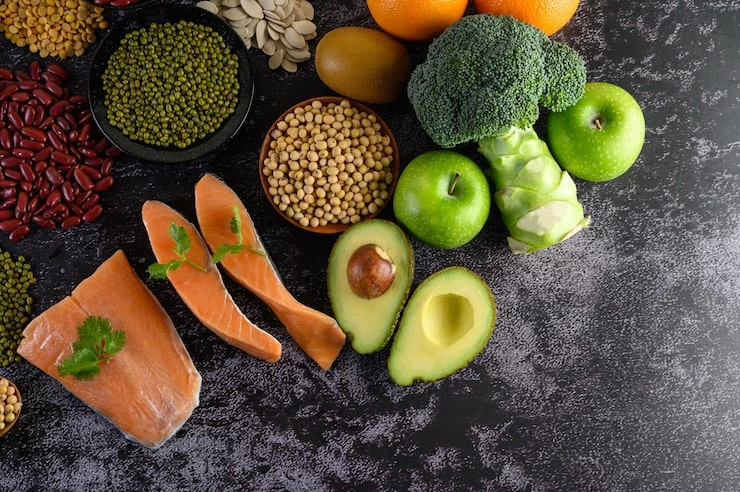
Salmon. Sardines. Mackerel. These fish have something called omega-3 fats. These fats are special because they produce molecules that actively reduce swelling. Think of them as peacekeepers in your body. They tell your immune system to calm down. Studies show that people who eat fish regularly have fewer allergy symptoms. Not zero. Fewer. That is worth something.
If you do not like fish, you can get similar benefits from flaxseeds or walnuts. But fish is the strongest source.
Turmeric
This spice is yellow. It comes from a root. In India, people have used it for thousands of years. Modern research confirms what they already knew. Turmeric reduces inflammation. It does this by blocking the signals that cause swelling. It also stops mast cells from releasing histamine.
One catch. Turmeric is not absorbed well on its own. You need black pepper with it. The pepper increases absorption by a large margin. So when you use turmeric, add a pinch of black pepper.
Onions and Apples
Both of these contain quercetin. Quercetin is a plant compound that works like a natural antihistamine. It stabilizes mast cells. It keeps them from bursting open. Some people take quercetin supplements. But eating onions and apples gives you the same compound with other nutrients that help absorption.
Red onions have more quercetin than yellow ones. Apples with skin have more than peeled apples. Eat them raw when you can.
Green Tea
Green tea has catechins. These are antioxidants. They also prevent allergic reactions. How? They block the pathways that lead to histamine release. Drinking one cup a day is enough to notice a difference. Two cups are better. But do not drink it too late. It has caffeine.
Ginger
Ginger is not just for nausea. It has anti-inflammatory effects. It modulates your immune response. This means it does not shut your immune system down. It just helps it react more appropriately. Fresh ginger is better than dried. Grate it into tea. Slice it into stir-fries. Chew on a small piece if you can handle the taste.
Fermented Foods
Yogurt. Kefir. Kimchi. Sauerkraut. These foods have live bacteria. Your gut is full of bacteria. The balance of these bacteria affects your immune system. A healthy gut means a calmer immune system. The research on this is growing. People who eat fermented foods regularly tend to have fewer allergy issues.
Foods That Make Things Worse
It is not enough to add good foods. You also need to reduce the bad ones.
Sugar
Sugar causes inflammation. It is that simple. When you eat sugar, your body releases inflammatory chemicals. This makes your allergy symptoms worse. Cut back on sugary drinks first. That is the easiest place to start.
Processed Snacks
Chips. Crackers. Fast food. These are full of unhealthy oils. These oils promote inflammation. They also unbalance your gut bacteria. The less processed your food is, the better.
Too Much Alcohol
Alcohol triggers histamine release in some people. It also dehydrates you. Dehydration makes mucus thicker. Thicker mucus means more congestion. If you drink, do it moderately. See how your body responds.
A Sample Day
You do not need a complicated meal plan. Here is a simple day.
Breakfast
Oatmeal with berries and a spoonful of flax seeds. Green tea on the side.
Lunch
Salad with greens, apple slices, onion, and salmon. Olive oil and lemon juice on top.
Snack
Plain yogurt. A drizzle of honey if you want sweetness.
Dinner
Grilled chicken. Steamed broccoli. Brown rice with a pinch of turmeric and black pepper.
Drink water throughout the day. Keep it simple.
You May Also Like: Effective Allergy Treatments for Kids: A Comprehensive Guide
How to Get Started?
Do not overhaul everything at once. That never works. Pick one food from the list above. Add it to your meals this week. Next week, add another. Over a month, you will have made real changes. And the changes will stick because they came slowly.
Pay attention to how you feel. Keep a mental note. Many people notice differences within two to three weeks. Their nose runs less. Their eyes itch less. Their energy improves.
If you want to take supplements, talk to a doctor first. Quercetin and curcumin supplements are available. But dosage matters. A doctor can guide you.
A Word About Reality
This is not a cure. I am not saying that. Allergies are complex. Diet is one piece of the puzzle. It is a big piece. But it is not the only piece. You may still need medication during peak seasons. That is okay. The goal is not to replace your medicine. The goal is to reduce your reliance on it. To feel better with less.
Many people report that their medication works better when they eat this way. The anti-inflammatory foods lower the baseline of inflammation. Then the medicine does not have to work as hard. That is a good anti inflammatory foods for allergies.
FAQs
How long before I see changes?
Some people notice small changes in a week. For most, it takes two to three weeks. Be patient.
What if I do not like fish?
Flaxseeds and chia seeds have omega-3s. They are plant-based. They work. Not as strongly as fish, but they work.
Is this safe for children?
Yes. But talk to your pediatrician first. Children have different nutritional needs.
Can I still eat out?
Yes. Just choose grilled over fried. Ask for sauces on the side. Pick salads when available.
Conclusion
Allergies are frustrating. They interrupt your day. They make you tired. They make you reach for tissues constantly. Medication helps. But there is more you can do.
The food you eat every day is medicine. Not in a trendy way. In a real way. It changes your biology. It changes your immune response. It changes how you feel.
Start small. Be consistent. Give it time. The changes may be subtle at first. But over weeks and months, they add up. I have seen it happen. My neighbor is proof. She still sneezes sometimes. But she no longer dreads spring. That is a victory.
Related Post
 06
06 Jul
Allergy Congestion Relief At Home
You wake up. Your nose is blocked. You cannot breathe. Your head pounds. Your eyes water. You grab tissues. You blow your nose. Nothing comes out. You feel stuck. This happens to millions. Pollen does this. Dust does this. Pets do.
Read More 30
30 Jun
How To Reduce Pollen Allergies In Children
Look. I know exactly what you are going through. You open the back door on a nice spring morning, and before your kid even steps onto the porch, they start sneezing. Not one sneeze. Six sneezes. In a row. Their.
Read More 18
18 Jun
Early Signs Of Colon Cancer In Women Under 50
Doctors are seeing more cases of colon cancer in women under 50. This is a change from the past, when this disease was mostly found in older people. The number of young adults getting colon cancer has nearly doubled in.
Read More 08
08 Jun
Resistance Training For Healthy Aging
I want to tell you something. Most people think getting old means getting weak. They think your back starts hurting. They think you cannot walk far. They think you fall down for no reason. That is not the truth. The.
Read More