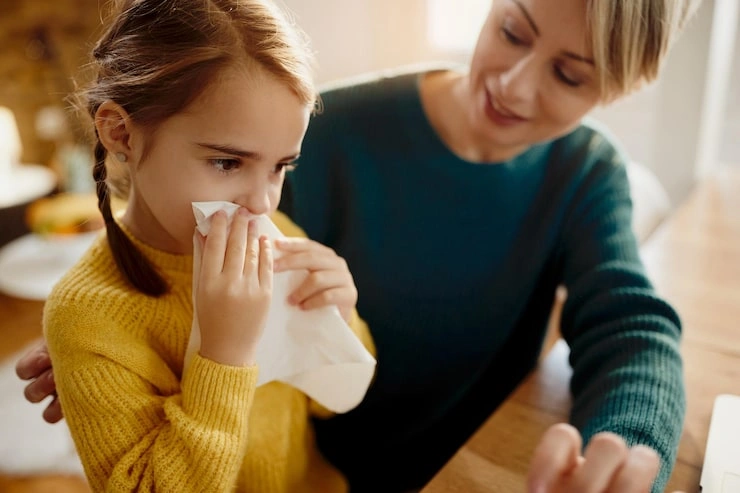
Look. I know exactly what you are going through. You open the back door on a nice spring morning, and before your kid even steps onto the porch, they start sneezing. Not one sneeze. Six sneezes. In a row. Their eyes get all red and puffy. They rub their nose so hard it turns pink. And you are standing there thinking, "Great. Here we go again."
I have been there. I have lived through this with my own kids. And I will tell you right now, it does not have to be this way. You do not have to lock your child in the house for four months out of the year. There are real steps you can take. Practical ones. Ones that do not cost a fortune. Ones that actually work. how to reduce pollen allergies in children?
This is not going to be some fluffy list of things you already know. "Close your windows." Yeah, you know that. But do you know why your kid gets hit harder than you do? Do you know why they cough at night but seem fine during the day? Do you know the one mistake parents make with nasal spray that makes the medicine completely useless?
We are going to cover all of that. Every corner. Every sneaky place pollen hides. Let us get into it.
First, Let Us Talk About Why Your Child Is A Magnet For This Stuff
You ever notice that you feel fine but your kid is a mess? There is a reason. And it is not because they are weak or dramatic.
Children breathe faster than grown ups. That is just a fact. Their little lungs are working harder. They take more breaths per minute. So when pollen is floating around in the air, they pull more of it into their bodies than you do. Their airways are also smaller. So even a tiny bit of swelling from allergies makes it harder for them to breathe.
Their immune system is also young. It has not seen everything yet. Every spring, when the trees and grasses release that dusty yellow powder, your child's body looks at it and says, "What is this? I do not recognize this. This must be dangerous." And then it goes to war against the pollen. That war is what causes the sneezing and the itching and the watery eyes.
It does not help that kids are always touching everything. They roll in the grass. They pick up sticks. They rub their eyes with dirty hands. They put their fingers in their mouths. All of those habits deliver pollen straight to where it causes the most trouble.
Now, you might hear the term hay fever. That is an old fashioned word. It is confusing because there is no hay involved and there is no fever. The real name is allergic rhinitis. But honestly, who cares what the fancy name is. You just want your kid to stop suffering. So let us focus on that.
The Signs You Might Be Blaming On Something Else
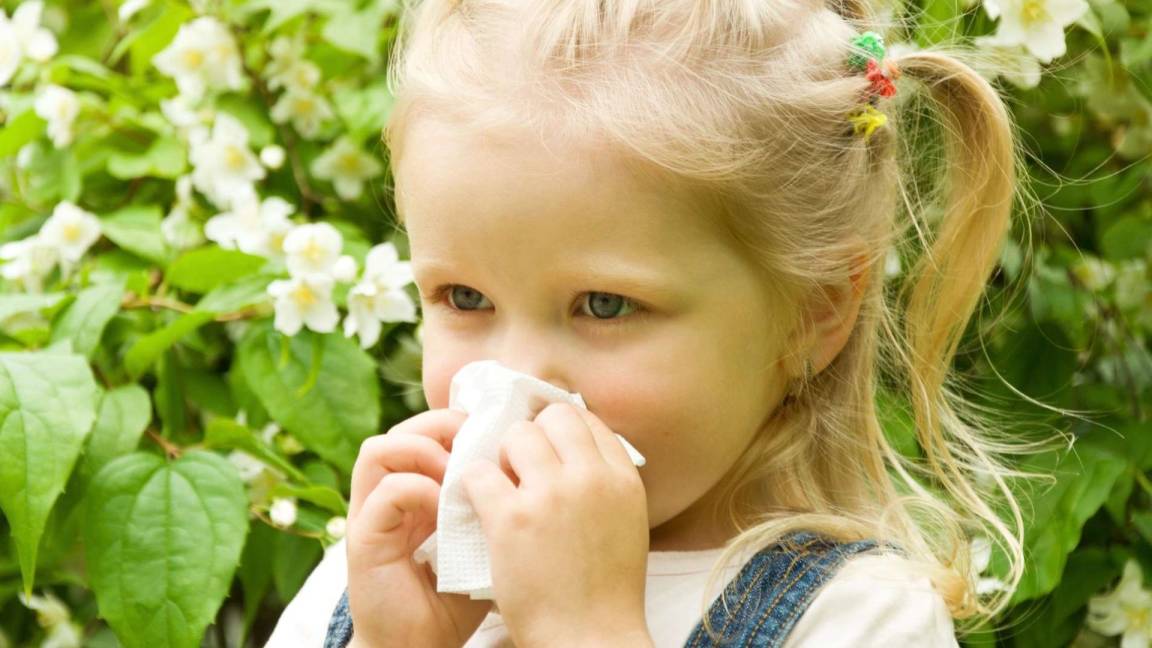
Everybody knows sneezing. Everybody knows a runny nose. But there are signs that are sneakier. Signs that make you think your child is just tired or just has a cold.
Watch for the hand thing. You know what I am talking about. They push their nose upward with the palm of their hand. It looks like a salute. Doctors actually call it the allergic salute. Your kid is not being weird. They are trying to stop the itch inside their nose. That itch drives them crazy. If they do this enough, they can actually get a little crease across the bridge of their nose. It is permanent.
Then there are the dark circles under their eyes. You might think, "Oh, they did not sleep well." And maybe they did not. But those dark shadows are also caused by allergies. The congestion in their sinuses slows down the blood flow around their eyes. The blood pools there. It makes those purple or gray shadows appear.
Some kids do not sneeze much at all. Instead, they cough. Especially at night. You tuck them in. They fall asleep. Thirty minutes later, you hear them hacking from their room. That is the post nasal drip. The mucus from their nose is sliding down the back of their throat. It tickles. It irritates. They cough to get rid of it.
And here is something I learned the hard way. Allergies can make your kid act like a grump. They can get headaches from the sinus pressure. They can feel tired all day because they did not sleep well. They might not even tell you their head hurts. They just get cranky. They fight with their sibling. They do not want to eat dinner. Look past the behavior and look at their nose. Are they stuffy? That is probably the root of it.
Read Also: Natural Remedies For Seasonal Allergies For Kids
Mark Your Calendar For These Months
Pollen does not show up randomly. It has a schedule. And if you know the schedule, you can get ahead of it.
Tree pollen is the first one. It shows up when winter is just ending. Depending on where you live, this can be February or March. The trees start making buds. They release that fine dusty stuff that covers everything in a yellow layer. This is the stuff that makes your car look dirty an hour after you wash it.
Grass pollen takes over in late spring and summer. This is May, June, and July. If your kid runs through a grassy field or even just plays in the backyard on a warm afternoon, they are going to get a heavy dose.
Weed pollen comes last. Ragweed is the big one. It shows up in late summer and sticks around until the first freeze. So do not think you are safe just because summer is ending. Ragweed is a bully. It makes a lot of kids miserable.
So what do you do with this information? You mark it down. You know that March is coming, so you get your medicine ready in February. You do not wait until your kid is already sneezing to start the treatment. That is like trying to close the barn door after the horse got out. You get ahead of it.
How To Read The Daily Pollen Report Like You Actually Know What You Are Looking At
Open your weather app. Look for the pollen count. It is usually measured in grains per cubic meter. But you do not need to understand the science. You just need to understand the colors.
Green means low. Your kid is probably fine. Yellow means medium. You should be careful. Red means high. Keep your kid inside as much as you can.
But here is the thing nobody tells you. Look at the wind speed too. Pollen flies around on windy days. A yellow day with high winds can feel like a red day. On the other hand, rain is your best friend. Rain washes the pollen out of the air. The hour right after a rainstorm? That is the cleanest air you are going to get all week. Let your kid run wild right then. The air is practically pollen free.
Check the report every morning. Make it part of your routine. Just like you check the temperature to know what coat to wear, check the pollen count to know what to do with your kid.
Inside Your House. This Is Where You Win Or Lose The Battle.
You cannot control the outdoors. But you can control your home. Your house is your child's safe zone. It should be a place where they can breathe easy.
Close your windows. I know. I know. The weather is perfect. The breeze feels amazing. But that breeze is carrying pollen. It is coming right into your living room. Do not open them. Use your air conditioning instead. It cycles the indoor air. It keeps the outdoor air outside.
Your air conditioner has a filter. That filter is your first line of defense. Change it every month during pollen season. Do not wait until it is black. Get the good ones. The MERV 11 or higher. They catch smaller particles. They catch pollen, dust, and even mold spores.
Now let us talk about your floors. Carpets hold pollen. They trap it in the fibers. When you walk on them, you stir it up. If you can, get rid of the carpet and put in hard floors. I know that is not always possible. So if you have carpet, you have to vacuum. Twice a week. Minimum.
But here is a mistake I see all the time. People use vacuums without HEPA filters. If your vacuum does not have a HEPA filter, it just blows the pollen right back out into the air. You are not cleaning. You are just moving the pollen around. Check your vacuum. If it does not have a HEPA filter, get one that does. It makes a huge difference.
When you dust, use a damp cloth. Do not use a feather duster. Those things just flick the dust into the air. It floats around and lands right back where it started. A damp cloth traps the dust. You rinse the cloth out in the sink and the pollen is gone.
The Door Rule That Changed Everything For My Family
Here is a rule I made in my house. And it is non negotiable. No shoes past the front door.
Think about where you walked today. The sidewalk. The lawn. The parking lot. All of those surfaces have pollen. Your shoes pick it up. You walk into your house and you track it all over the floor. Your kid plays on that floor. They lie down on it. They put their toys on it.
Put a mat right inside the door. Have everyone take their shoes off the second they step inside. Keep a basket of slippers or indoor shoes right there. It feels like a small thing, but it cuts down on the pollen in your house by a lot.
What You Do The Minute Your Kid Comes Inside?
Your kid bursts through the back door. They are sweaty. They are happy. They have been rolling around in the grass.
Do not let them sit on the couch. Do not let them jump on the bed. They are covered in pollen. It is on their arms, their neck, their hair, and their clothes. If they sit on the couch, the pollen transfers to the couch. Then later, they lay their face on that couch and they breathe it in.
First thing you do is change their clothes. Take off the shirt and pants they wore outside. Put them straight into the washing machine. Do not toss them on the floor. That just releases the pollen into the air.
Next, wash their hands and face. Warm water and a little soap. Get the pollen off their skin. They touch their eyes and nose constantly. If you remove the pollen from their hands, they cannot put it into their body.
There is a little trick I learned. Put a tiny amount of petroleum jelly just inside their nostrils. It acts like a sticky trap. The pollen particles float in and hit the jelly. They get stuck. They never make it further into their nose. Wipe it off at bath time and reapply in the morning.
Bath Time. I Cannot Stress This Enough.
Listen to me. Bathing your child every night during pollen season is not optional. It is a requirement. I made the mistake of skipping it once because it was late and my kid was exhausted. They woke up at two in the morning coughing and stuffy. I learned my lesson.
Pollen sticks to hair more than any other part of the body. Hair is rough. It has texture. The pollen grains cling to it. If your kid goes to bed with pollen in their hair, they are rolling their face around in it all night. Their nose is pressed into the pillowcase that is now coated in pollen.
Wash their hair. Wash their whole body. The warm water opens their pores and washes the allergens away.
And while you are at it, wash their bedding. Use hot water. Cold water will not do the job. Hot water breaks down the pollen. It also kills dust mites, which make allergies worse. Wash the sheets, pillowcases, and blankets once a week. Dry them in the dryer. Do not hang them outside. If you hang them outside, more pollen will settle on them while they are wet.
The Stuffed Animal Thing You Are Probably Ignoring
There is something most parents do not think about. Stuffed animals. Your kid sleeps with a fluffy bear pressed right against their face. That bear has been around. It has been on the floor. It has been outside sometimes. Pollen drifts through the air and lands on it.
Put the stuffed animals in a plastic bag and stick them in the freezer overnight. The cold kills dust mites. Then wash them in the machine on a gentle cycle. If they cannot be washed, wipe them down with a damp cloth regularly.
Better yet, limit the stuffed animals on the bed. Keep one or two favorites. Put the rest in a closed bin. This gives pollen fewer places to hide.
When To Let Your Kid Outside And When To Keep Them In?
I am not going to tell you to lock your kid inside all spring. That is not fair to them. But you need to be smart about the timing.
Pollen counts are highest in the morning. Between five and ten in the morning, plants are releasing their pollen. That is the worst time. So do not go to the playground at nine in the morning. Wait until after lunch. The pollen counts drop as the day warms up.
Windy days are bad. The wind picks up the pollen and blows it everywhere. If you see the trees moving around, plan an indoor activity. Go to a museum. Visit the library. Have a movie day.
Rainy days are your best days. Take your kid out right after it rains. The rain pushes the pollen to the ground and holds it there. The air is clean for a few hours.
And if you have a lawn, do not cut it while your kid is outside. Mowing stirs up grass pollen and mold. Keep your kid inside for a full hour after you finish mowing. That gives the dust time to settle.
You Might Be Planting The Wrong Things
Here is something people do not think about. Some plants are worse than others. You might be planting things that make your kid sick without realizing it.
Flowers like roses and tulips are fine. They have heavy pollen that drops to the ground. It does not float around in the air. But ragweed and certain grasses are terrible. They produce light pollen that how to reduce pollen allergies in children.
You cannot control what your neighbors plant. But you can control your own yard. Pull out any weeds you see. Ragweed grows everywhere. It is tall and has green flowers that look like little spikes. Pull it out by the root in the spring before it flowers.
If you want to plant trees, stay away from oak and birch. Those are big pollen producers. Plant fruit trees instead. Apple and pear trees have heavier pollen that is less likely to cause trouble.
Medicine. What Works And What Does Not?
I am not a doctor. I am going to say that up front. Talk to your pediatrician before you give any medicine. But I can tell you what the options are so you can have an informed conversation.
Antihistamines are the most common. They block the chemical that causes sneezing and itching. The older ones made kids sleepy. The newer ones usually do not. They come in liquid form for younger kids and chewable tablets for older ones.
Nasal sprays are underused. In my opinion, they are the most effective thing you can do. The steroid sprays take a few days to start working, but they are really good. They shrink the swelling inside the nose. Then there are the antihistamine sprays. These work fast. Within minutes. Your doctor will recommend one based on your child's age.
Eye drops are for those red, itchy eyes. They provide fast relief. Get the ones without preservatives. They are gentler.
Here is the most important piece of advice I can give you. Start the medicine before pollen season begins. Do not wait until your child is already suffering. If you start the nasal spray a week before tree pollen season, you can prevent the inflammation from ever getting bad. It is much easier to prevent symptoms than to stop them once they start.
You May Also Like: Common Child Health Issues and Prevention – A Complete Parent’s Guide
Natural Remedies That Actually Do Something
Some parents want to go the natural route. I understand that. There are things that help.
Saline rinses are great. They are just salt water. You squirt them up your child's nose. They wash out the mucus and the pollen. Use a neti pot or a squeeze bottle. But you have to be careful. Never use tap water. Tap water can have bacteria. Use distilled water or water that has been boiled and cooled down.
Local honey is a popular one. The bees collect nectar from plants in your area. Eating that honey exposes your child to tiny amounts of local pollen. Over time, their body might get used to it. The science is not rock solid, but it is safe for children over one year old.
Quercetin is a natural compound found in onions and apples. It acts like a natural antihistamine. Give your child more apples. Slice them up. Put onions in their soup. Eating these foods is better than taking supplements.
Warm tea with ginger can help. Ginger reduces inflammation. It also soothes a sore throat if the post nasal drip is bothering them. Just make sure the tea is not too hot for little mouths.
When You Have To Call In The Big Guns
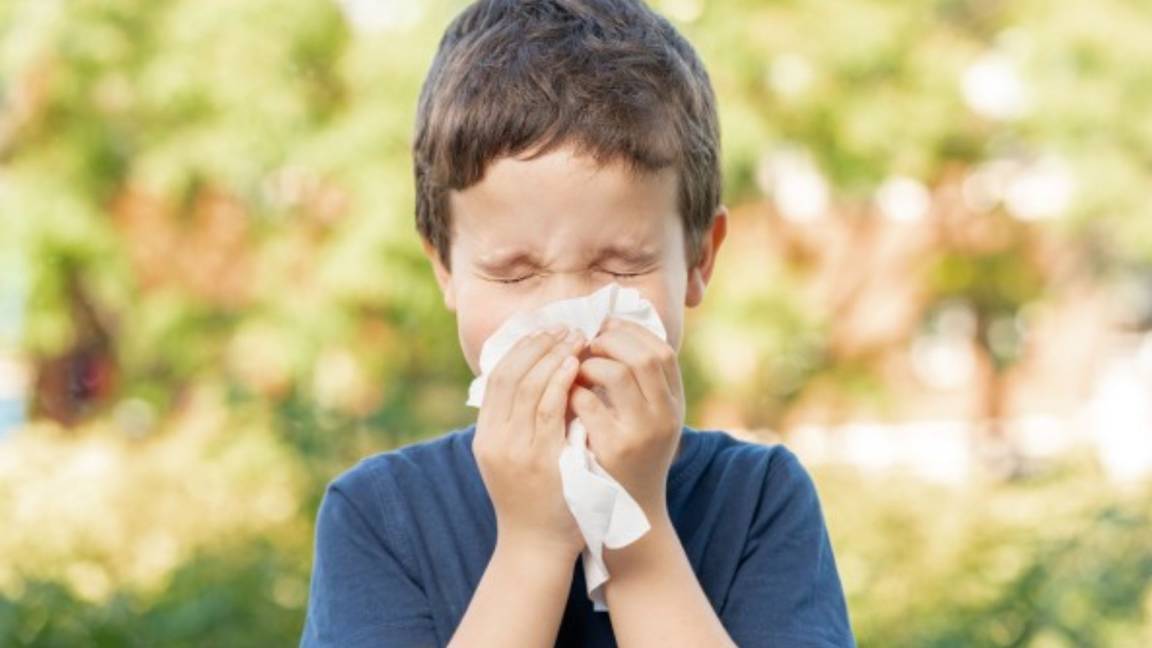
Sometimes, no matter what you do, your kid is still suffering. They cannot sleep. They cannot focus in school. They are miserable.
This is when you call an allergist. Not your regular doctor. An allergist is a specialist. They will do a skin test. They will put tiny drops of different pollens on your child's arm and make little scratches. If your child is allergic to a specific type of pollen, their skin will get red and bumpy.
This test tells you exactly what you are dealing with. Is it tree pollen? Grass pollen? Both? Knowing this helps you plan.
The allergist might recommend immunotherapy. This is either shots or drops under the tongue. They slowly introduce the pollen into your child's body. The body builds up tolerance. The shots are not fun, but they can actually cure the allergy. It takes about three years, but many kids end up symptom free.
Working With The School
Your child does not just have allergies at home. They have them at school too.
Go in and talk to the teacher. Do not just send an email. Go in person. Tell them about your child's allergies. Tell them about the symptoms so they can watch for them. Tell them your child might need to go to the nurse.
The school nurse is your partner. Give them a doctor's note. Give them the medicine. Make sure they know exactly when and how to give it.
Ask about recess. If the school has recess in the morning, ask if your child can stay inside. Some schools have a quiet indoor activity for kids who cannot go outside. It does not hurt to ask.
Teach your child to speak up. Tell them it is okay to tell the teacher they need to go to the nurse. They should not be embarrassed. It is a health issue.
There Is A Food Connection You Need To Know About
This is something most parents do not know. There are foods that trigger the same reaction as pollen. They are called cross reactive foods.
If your child is allergic to birch pollen, they might have trouble with apples, cherries, and carrots. The proteins in those foods look similar to the birch pollen protein. The body gets confused and attacks the apple like it is pollen. Their mouth might tingle. Their throat might itch.
If they are allergic to ragweed, they might react to bananas and melons. If they are allergic to grass pollen, they might react to oranges and tomatoes.
This does not happen to every kid. But it happens enough that you should pay attention. Keep a journal. Every time your child eats something new, write it down. If you notice their mouth gets itchy after a banana, you know why.
On the other side, there are foods that help. Fish like salmon are high in omega fatty acids. These reduce inflammation. A child with less inflammation will not sneeze as much. Yogurt with live cultures boosts the immune system. A stronger immune system handles pollen better.
The Severe Reaction. You Need To Know What To Look For
I do not want to scare you. But you need to be prepared.
Some children have severe reactions. Not just sneezing. Not just a runny nose. Their throat tightens. They wheeze. They cannot catch their breath.
This is anaphylaxis. It is not common with pollen allergies, but it can happen. If your child starts struggling to breathe, if their lips or face swell, call 911. Do not wait. Do not drive to the hospital. Call an ambulance.
If your child has had this kind of reaction before, you need an epinephrine auto injector. Your doctor will prescribe it. You carry it everywhere. You teach the teachers how to use it.
This sounds scary, I know. But most children never get this severe. Most just sneeze and have watery eyes. Still, knowing what to do gives you peace of mind.
Talking To Your Kid About This Whole Mess
Kids are smart. They pick up on things. But they do not always know how to put their feelings into words.
Sit down with your child. Tell them that pollen is like tiny dust specks from plants. Some of those specks make them feel funny. Tell them it is not their fault. They did nothing wrong.
Tell them the sneezing is their body's way of pushing the dust out. It is a good thing. It means their body is fighting. Make it a game. "Let us help your nose push the dust out by taking our medicine." It changes their mindset.
Ask them how they feel. "Do your eyes burn?" "Does your head hurt?" Teaching them to describe their symptoms helps you help them. They feel heard. They are part of the team.
Mistakes I Have Made So You Do Not Have To
I am going to be honest with you. I have made these mistakes. Every parent I know has made these mistakes.
Mistake number one is leaving the windows open. "But it is so beautiful outside!" The beauty is not worth the misery. Close them.
Mistake number two is waiting too long to give the first dose of medicine. You see the pollen count is high, but your kid seems fine. So you skip it. Then an hour later, they are sneezing nonstop. Give the medicine first. Prevent the reaction.
Mistake number three is thinking a dehumidifier is enough. You need an air purifier with a HEPA filter. The dehumidifier just removes moisture. The purifier removes particles.
Mistake number four is skipping the nightly bath because it is late and the kid is tired. I have done this. I regret it every time. They wake up stuffy at two in the morning. The bath takes ten minutes. It is faster than dealing with a crying kid at midnight.
Surviving The Night
Nighttime is the hardest. Your child lies flat. Mucus cannot drain. It builds up. They wake up coughing.
Prop their head up. Use an extra pillow. If they are small, put a towel under the mattress. Gravity helps the mucus drain.
Use a cool mist humidifier in their room. Dry air irritates the nose. A little moisture keeps the nasal passages comfortable. But clean the humidifier often. Mold grows in dirty ones.
Keep a glass of water by their bed. Water soothes the throat. It also thins the mucus.
The Long Game
Allergies are not a one week problem. They last for months. It wears you down. It wears your kid down.
Do not lose hope. Every year, you get better at managing it. You learn which medicine works fastest. You learn which rooms are the safest. You learn your child's specific triggers.
Celebrate the good days. When your child has a day with no sneezing, say something. "That was a great day! Your body is winning." They need that encouragement. You need it too.
Pollen season ends. The first frost comes. You get a break. Use it to clean your house. Replace your AC filters. Rest. Prepare for next season.
Conclusion
You are doing a good job. The fact that you are reading this tells me you care. You want to help your child. That is already half the battle. It is not about keeping them in a bubble. It is about being smart. It is about cleaning your air. Washing their skin. Giving the right medicine. Working with their teachers. Your child will still play. They will still laugh. They will still run around. They will just do it with less sneezing and more smiling. Take it one day at a time. One bath at a time. One vacuum at a time. You can do this.
FAQs
Will my kid grow out of this?
Most do. Many kids stop having symptoms as they get older. Their immune system matures.
Is it safe to exercise outside?
Yes, but pick the right time. Late afternoon. After rain. Not on windy mornings.
Do I need allergy testing?
If symptoms are mild and medicine works, no. If symptoms are severe or medicine does not work, yes.
Does the dog make it worse?
The dog is not the issue. But the dog brings pollen inside. Wipe them down when they come in.
Can allergies cause a fever?
No. Never. If your kid has a fever, they have a virus or infection. Call the doctor.
What if my kid refuses the nose spray?
Aim toward the side of their nose, not straight back. Blow their nose first. Reward them after. Stickers work.
Is it allergies or a cold?
Colds last a week. Allergies last months. Colds have body aches and fever. Allergies do not.
Related Post
 21
21 May
How Long Does Seasonal Allergy Fatigue Last
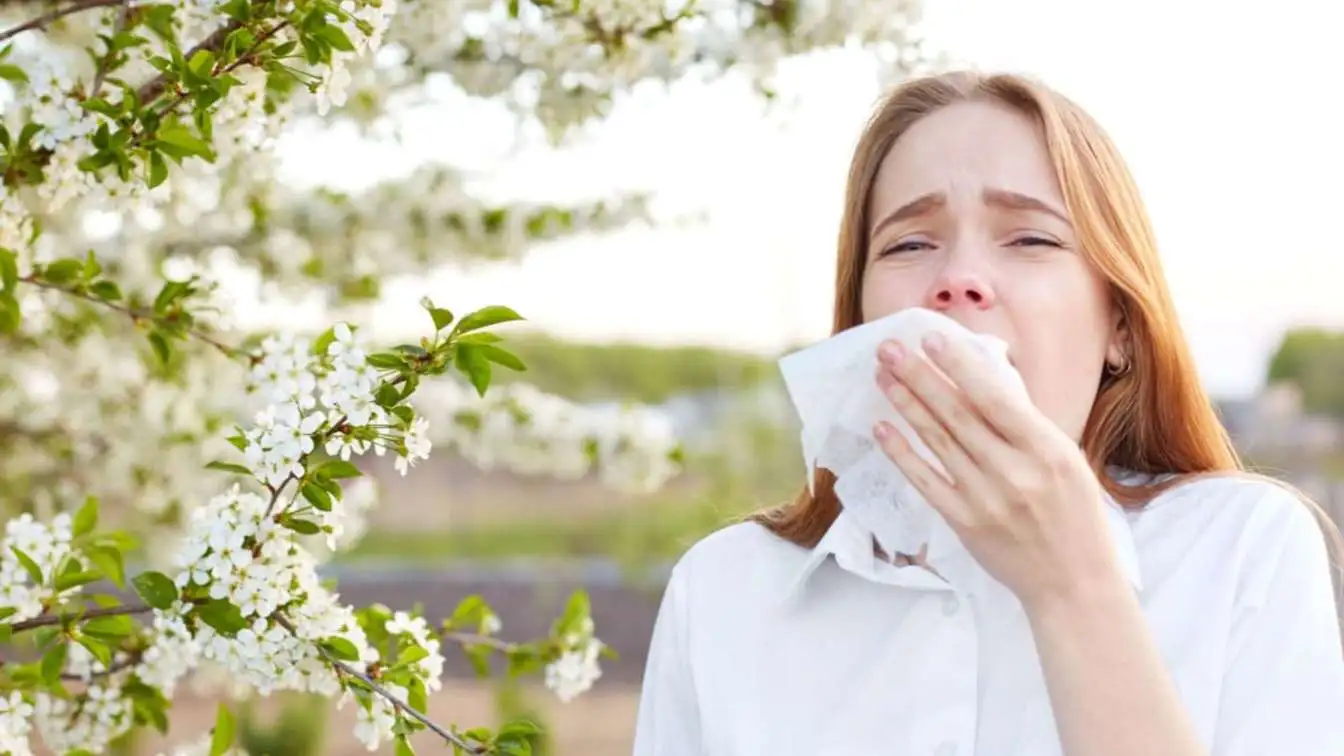
If you have seasonal allergies, you know the feeling. Your nose runs. Your eyes itch. But there is another problem that people forget. That problem is tiredness. Deep tiredness. You feel like sleeping all day. You feel weak. This is.
Read More 18
18 May
Signs Of High Functioning Depression In Adults
You know that person in your office who always comes on time? Always has a smile. Always says "I am fine" when you ask. That person might be dying inside. I am not joking. We think depression is crying or.
Read More 15
15 May
How To Calm Anxiety Before Bed
You know the feeling. You’ve had a massive day. You’re wiped out. You finally hit the lights, crawl under the covers, and... your brain turns into a neon-lit carnival of stress. Suddenly, you’re thinking about that weird look your boss.
Read More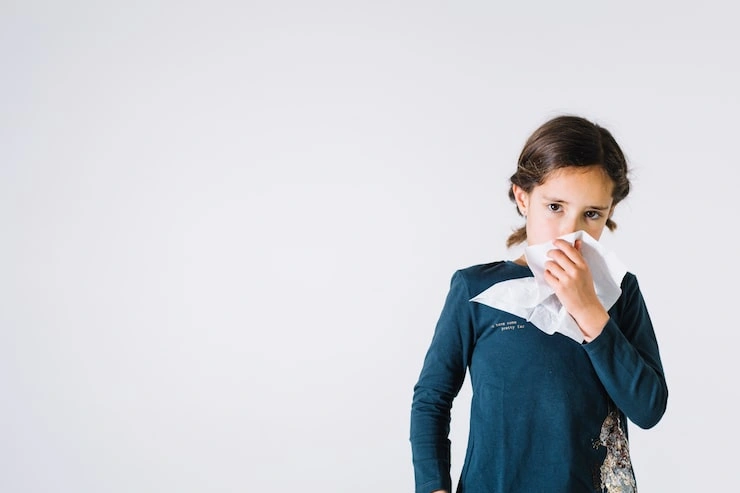 11
11 May
Natural Remedies For Seasonal Allergies For Kids
Every spring, my neighbor's kid turns into a walking tissue box. Pollen hits, and boom—itchy eyes, stuffy nose, the works. If that's your story too, natural remedies for seasonal allergies for kids might be your best friend. These allergies sneak up when.
Read More