

Aging brings changes. Some are planned, like retirement. Others arrive without warning, like the loss of a close friend or a sudden health issue. These shifts can shake your emotional balance if you are not prepared for them.
Emotional wellness does not mean feeling happy all the time. It means having the tools to handle hard days without falling apart. It means staying connected to people who matter. It means finding reasons to get out of bed even when the world feels heavier than it used to.
The good news is that emotional wellness in later life is not a fixed state. You can build it, protect it, and rebuild it after setbacks. This article explains how, using clear steps that you can start today.
Why Emotional Wellness Matters More as You Age?

Your mind and body are linked. Poor emotional health can make physical problems worse. It can drain your energy, disrupt your sleep, and weaken your immune system. On the other side, strong emotional health helps you recover from illness faster and cope with pain better .
Older adults face specific emotional challenges. Retirement can remove the structure and purpose that work once provided. Children may move far away. Friends and siblings may pass on. Hearing or vision loss can make conversation and social events feel exhausting rather than enjoyable .
These changes are real. Ignoring them does not make them disappear. But you can respond to them in ways that protect your emotional health instead of letting them chip away at it.
Stay Connected, Even When It Feels Hard
Loneliness is one of the most common emotional struggles in later life. It is also one of the most damaging. Feeling disconnected increases the risk of cognitive decline and reduces your overall quality of life .
Staying connected takes effort. It rarely happens by accident after retirement or after a move. You have to make a plan.
Start with the people you already know. Call a family member. Invite a neighbor for coffee. Send a message to an old friend you have not spoken to in months. These small gestures keep relationships alive.
Then look for new connections. Local senior centers, religious groups, and community organizations offer regular activities where you can meet people without pressure . If leaving home is difficult, look for phone-based or online groups that let you join from your living room .
One simple strategy: pick one social activity each week and treat it like a doctor's appointment. Put it on your calendar. Do not cancel unless you truly have to. Consistency builds the kind of connections that actually support emotional health.
Read Also: Strength Training For Adults Over 60
Give Yourself Permission to Grieve Change
Not all losses involve death. Retirement is a loss of routine and identity. Moving to a smaller home is a loss of familiar surroundings. Even positive changes can carry a sense of grief .
Many people push through these feelings because they think they should be grateful or excited. But grief does not follow a script. Feeling sad about leaving a job you loved does not make you ungrateful. Feeling lonely after moving closer to family does not make you a burden.
Allow yourself time to adjust. Talk about what you miss. Write it down. Tell a friend. The feeling will not last forever, but it will last longer if you pretend it is not there .
Keep Your Mind Active in Ways That Feel Meaningful
Mental stimulation is not just about crossword puzzles. It is about doing things that make you think, learn, or solve problems. Volunteering at a local organization, taking a class, or learning a new skill all count .
The key word is meaningful. If you choose an activity just to fill time, it will feel like a chore. If you choose something that connects to a value you hold, it will give you energy instead of draining it.
For example, if you care about children, volunteer at a school or library. If you have always wanted to understand history better, take a free online course or join a history discussion group. If you enjoy fixing things, offer to help neighbors with small repairs.
These activities do two things at once. They keep your mind sharp, and they give you a reason to interact with others. Both are essential for emotional wellness.
Move Your Body, Even a Little
Exercise is not only for your muscles and heart. It changes how you feel mentally. Physical activity releases chemicals in your brain that improve mood and reduce stress .
You do not need to run marathons. A daily walk, a short bike ride, or even stretching in your living room can make a difference. The goal is consistency, not intensity.
If you have mobility limits, chair exercises or water aerobics can work well. Talk to your doctor about what is safe for you. The point is to find something you can do regularly without pain or fear of injury.
One practical tip: pair exercise with something you enjoy. Listen to music or a podcast while you walk. Exercise with a friend so you keep each other accountable. When movement feels good, you are more likely to keep doing it.
Protect Your Sleep
Sleep problems and emotional problems feed each other. When you do not sleep well, you are more likely to feel irritable, sad, or anxious. When you feel sad or anxious, sleep becomes harder .
The average person needs about eight hours, but that is only an average. Some people need more. Some need less. The important thing is to figure out what your body needs and then protect that time .
Go to bed at the same time each night. Keep your bedroom dark and cool. Avoid screens for an hour before bed. If you wake up during the night and cannot fall back asleep, get up and do something quiet in dim light until you feel sleepy again.
If sleep problems last for weeks, talk to your doctor. Sleep issues can be a sign of depression or another health problem that needs treatment.
Watch for Signs of Depression
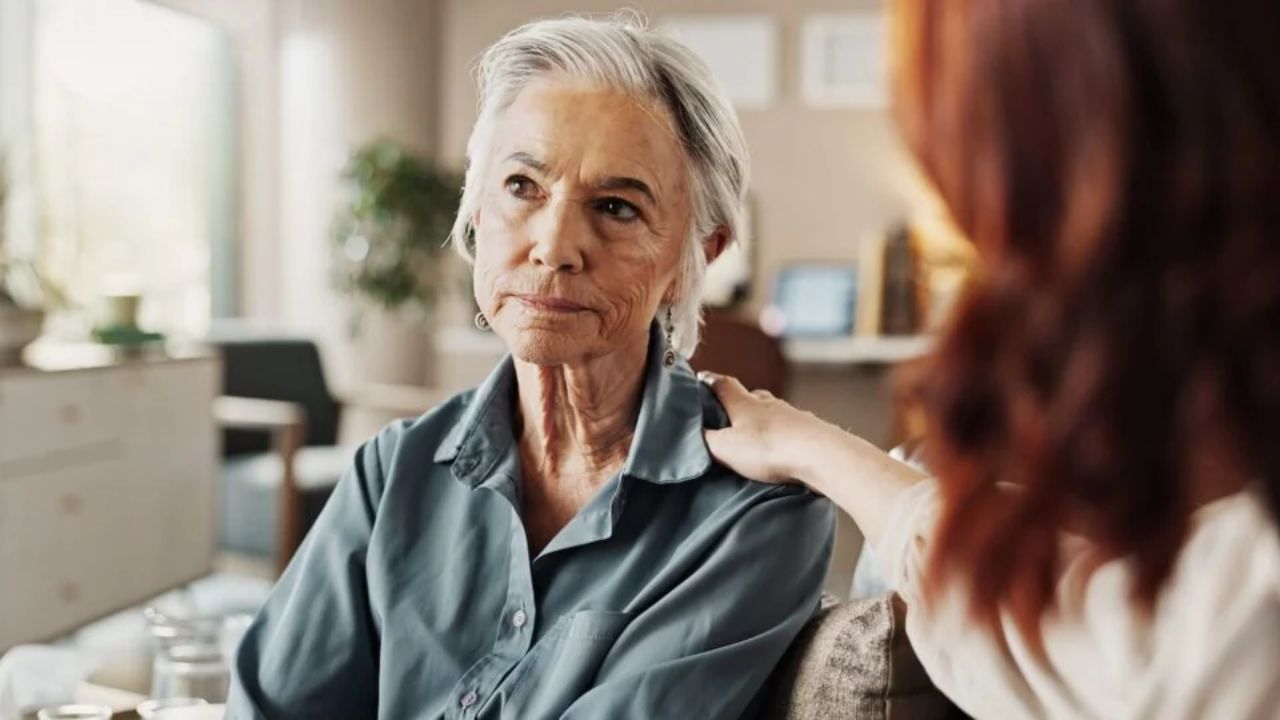
Everyone has bad days. But when bad days stretch into weeks, something more may be happening.
Depression in older adults often looks different from depression in younger people. You might not feel "sad" in the usual sense. Instead, you might feel empty, irritable, or numb. You might lose interest in things you used to enjoy. You might have aches and pains that do not get better with treatment. You might have trouble concentrating or making decisions .
If you have felt this way for more than two weeks, talk to your doctor. Depression is not a weakness or a normal part of aging. It is a treatable medical condition . Treatment can help you feel like yourself again.
You May Also Like: Anti Aging Morning Routine Over 50
Find a Sense of Purpose
Purpose is the reason you get up in the morning. It can come from many places: caring for a pet, helping a family member, volunteering, creating something, or passing on skills to a younger person.
Research on aging consistently finds that people with a strong sense of purpose tend to live longer and feel happier. Purpose gives you a reason to stay engaged with the world, even when staying engaged feels difficult .
If you are not sure what your purpose is right now, start small. Ask yourself: What is one thing I can do this week that would make someone else's life a little easier? Do that thing. Notice how it feels. Then do it again.
When to Get Help?
Some emotional struggles are too heavy to carry alone. If you feel hopeless, worthless, or unable to function, reach out to a doctor or mental health professional. If you have thoughts of hurting yourself, get help immediately.
Asking for help is not a sign of failure. It is a sign that you take your emotional wellness seriously. The people who care about you would rather see you get support than watch you struggle in silence.
Related Post
 20
Aug
Why Are My Allergies Worse At Night And In The Morning
I used to think I was crazy. I would feel fine all day. Go to work. Eat lunch. Run errands. No sneezing. No runny nose. No itchy eyes. Then I would lie down to sleep. Within an hour, my nose.
Read More 12
Aug
Consequences Of Lack Of Sleep In Elderly
You know how we all think that when people get old they naturally sleep less? We see our grandparents waking up at 4 in the morning and we think oh this is just how old people are. We see them.
Read More 04
Aug
Stress Management Techniques For Busy Adults
My friend Sarah works in marketing. She has two kids under five. She also takes care of her aging mother. Last Tuesday, she cried in her car in the parking lot. She could not find her keys. She had a.
Read More 23
Jul
Anti Inflammatory Foods For Allergies
My neighbor has dealt with sneezing fits every spring for as long as I can remember. She tried every pill on the shelf. Nothing worked well enough. Then she changed what she ate. Not all at once. Slowly. And something.
Read More