Iron deficiency is one of the most common nutritional problems in children worldwide. It happens when a child's body does not have enough iron to make healthy red blood cells. These cells carry oxygen to every part of the body. When iron runs low, a child's energy, mood, and even ability to learn can suffer
Many parents do not realize their child has low iron until the problem becomes serious. The signs often appear slowly, making them easy to miss. Knowing what to look for helps you act early and get your child the help they need signs of iron deficiency in children.
Why Iron Matters for Growing Children?
Iron does more than just help blood carry oxygen. It plays a key role in brain development, muscle function, and fighting off infections. During the first two years of life, the brain grows faster than at any other time. Iron deficiency during this window can cause problems that last long after the deficiency is fixed
Research shows that children who had iron deficiency as infants scored lower on learning tests years later, even after other factors were considered. This is why early detection matters so much. The good news is that iron deficiency is treatable. When caught in time, most children recover fully.
The Most Common Signs of Iron Deficiency in Children
Pale Skin and Changes in Appearance
One of the first things parents might notice is a change in their child's color. The skin may look pale, dull, or even slightly yellow. The cheeks, lips, and nail beds may lose their healthy pink tone. The eyelids and the whites of the eyes can also look pale or have a bluish tint
This paleness happens because low iron means fewer red blood cells. With less oxygen flowing through the body, the skin and mucous membranes lose their normal color.
Read Also: Common Health Problems In Children
Tiredness and Low Energy
Children with iron deficiency often seem more tired than usual. They may need more naps, struggle to keep up during play, or complain about feeling weak. Mild muscle weakness is common. A child who used to run everywhere might suddenly prefer to sit and watch.
This fatigue happens because iron is needed to move oxygen through the body. Without enough oxygen, muscles and organs work harder to do normal tasks. The result is a child who tires easily and lacks the energy for daily activities
Irritability and Mood Changes
A child with low iron may seem cranky, fussy, or easily upset. They might cry more often or have trouble controlling their emotions. Parents sometimes describe their child as "not acting like themselves."
This behavior change is not just about feeling tired. Iron plays a role in how the brain makes chemicals that control mood and attention. When iron levels drop, these brain chemicals can become unbalanced, leading to irritability and mood swings.
Trouble Focusing and Learning
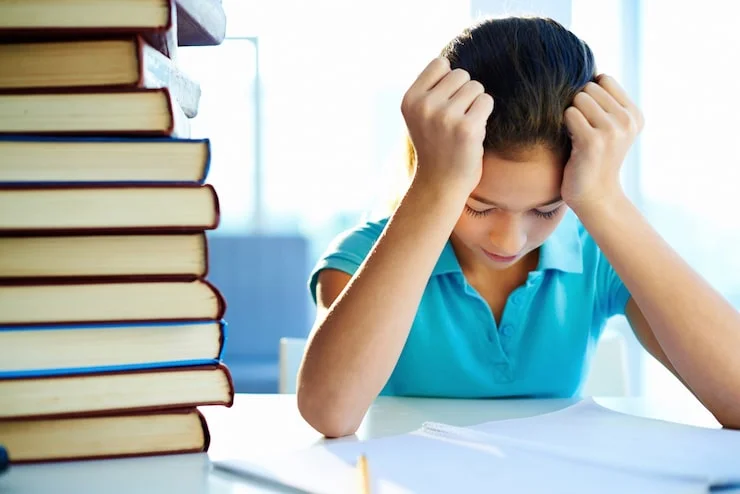
Iron deficiency can affect a child's ability to pay attention, stay alert, and learn new things. Teachers may notice that a child seems distracted or has trouble following instructions. At home, the child might struggle to finish homework or remember simple tasks.
Research has shown that children with iron deficiency have lower attention spans and reduced alertness. They may also have trouble with tasks that require focus and concentration.
Pica: Cravings for Non-Food Items
One of the more unusual signs of iron deficiency is a condition called pica. Children with pica crave or chew on things that are not food, such as ice, dirt, paper, or chalk. This behavior can seem strange to parents, but it is a recognized symptom of low iron.
If you notice your child eating or chewing non-food items, this is a strong signal to speak with a doctor.
Other Physical Signs to Watch For
Several other physical symptoms can appear as iron deficiency worsens:
- Cold hands and feet even when the weather is warm
- Brittle nails that break easily or have an unusual shape
- Sore or swollen tongue
- Frequent infections because iron helps support the immune system
- Shortness of breath during activity or play
- Fast heartbeat
- Restless legs that make it hard to sleep
Signs of More Severe Anemia
When iron deficiency progresses to anemia, symptoms become more serious. Severe anemia can cause swollen hands and feet, headaches, and a rapid heart rate. In some cases, the spleen may become enlarged. These symptoms require prompt medical attention.
Why Some Children Are at Higher Risk?

Certain groups of children are more likely to develop iron deficiency:
Babies and toddlers have high iron needs for growth. Babies are born with iron stored in their bodies, but by about 6 months, these stores begin to run low. Breastfed babies need iron-rich foods or supplements after 6 months
Teenagers go through rapid growth spurts. Teen girls also lose iron through monthly periods, making them especially vulnerable
Fussy eaters may not eat enough iron-rich foods. Children who drink too much cow's milk can also be at risk because milk can interfere with iron absorption and may replace other foods in the diet
Children with certain health conditions that affect how the body absorbs nutrients may need extra monitoring.
You May Also Like: Common Child Health Issues and Prevention – A Complete Parent’s Guide
What to Do If You Notice These Signs?
If you see signs of iron deficiency in your child, the next step is to see a doctor. Iron deficiency is diagnosed through a blood test that checks hemoglobin levels and iron stores
Do not try to treat iron deficiency on your own with supplements. Giving iron when it is not needed can be harmful. The right dose depends on your child's age, weight, and how low their iron levels are.
If your child is diagnosed with iron deficiency, treatment usually includes:
- Iron-rich foods such as lean meat, beans, leafy greens, and iron-fortified cereals
- Vitamin C paired with iron-rich foods to help the body absorb iron better
- Iron supplements prescribed by a doctor for moderate to severe cases
- Reducing cow's milk intake for toddlers, since too much milk can block iron absorption
Your child will likely need follow-up blood tests to make sure their iron levels are improving
Conclusion
Iron deficiency in children is common, but it is also treatable. The signs can be easy to overlook because they develop slowly. Pale skin, unusual tiredness, irritability, trouble focusing, and cravings for non-food items are all signals that something may be wrong.
Trust your instincts. If something seems off with your child's energy, mood, or behavior, talk to their doctor. A simple blood test can give you answers. Early treatment protects your child's health today and their ability to learn and grow for years to come.
Related Post
 23
23 Jul
Anti Inflammatory Foods For Allergies
My neighbor has dealt with sneezing fits every spring for as long as I can remember. She tried every pill on the shelf. Nothing worked well enough. Then she changed what she ate. Not all at once. Slowly. And something.
Read More 14
14 Jul
Anti Aging Morning Routine Over 50
You wake up. You look in the mirror. You see someone staring back who looks tired. The face you see does not match how you feel inside. Your skin looks dull. Your eyes look puffy. Your neck looks loose. This.
Read More 06
06 Jul
Allergy Congestion Relief At Home
You wake up. Your nose is blocked. You cannot breathe. Your head pounds. Your eyes water. You grab tissues. You blow your nose. Nothing comes out. You feel stuck. This happens to millions. Pollen does this. Dust does this. Pets do.
Read More 30
30 Jun
How To Reduce Pollen Allergies In Children
Look. I know exactly what you are going through. You open the back door on a nice spring morning, and before your kid even steps onto the porch, they start sneezing. Not one sneeze. Six sneezes. In a row. Their.
Read More