
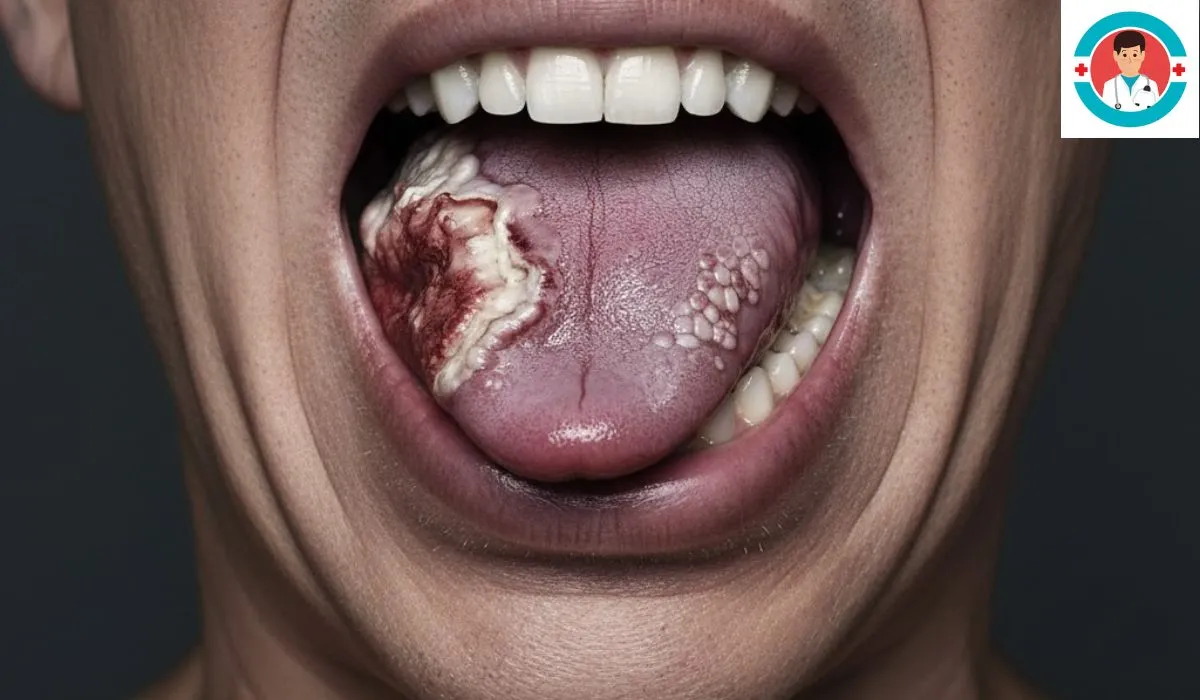
Oral cancer last stage symptoms ailment that moves through distinctive stages. The last arrangement is the most extreme. Knowing the signs of late-stage verbal cancer is critical for patients and their families. It makes a difference when they plan and look for the right care.
This article will clarify the indications of late-stage verbal cancer. We will too see back at the prior signs. Understanding the travel from Stage 1 oral cancer symptoms to the final organization can give important context.
What is Late-Stage Verbal Cancer?
Late-stage verbal cancer, called Organize IV, implies the cancer has developed altogether. It has spread from the mouth to other parts of the body. This may incorporate the lungs, bones, or lymph hubs in the neck.
At this point, side effects are not fair in the mouth. They influence the whole body. Care centers on consolation and quality of life, known as palliative care.
First Signs: Looking Back at Early Symptoms
The early signs of verbal cancer are frequently mellow and simple to overlook. Numerous individuals botch them for a common mouth sore or a toothache.
Stage 1 Oral Cancer Symptoms
In the beginning, the cancer was exceptionally little. Stage 1 oral cancer symptoms are as a rule not excruciating. They include:
- A ruddy or white fix in the mouth.
- A little sore on the tongue or cheek that doesn't heal.
- A little protuberance on the lip or in the mouth.
- At this organization, the cancer has not spread.
Stage 2 Oral Cancer Symptoms
The tumor develops bigger. Stage 2 oral cancer symptoms became simpler to take note of. You might see:
- The starting sore or fix is getting bigger.
- Some distress or torment in the mouth.
- A feeling of thickness in the cheek.
- Still, the cancer has not ordinarily spread to lymph nodes.
Read Also:- Rasayana Therapy in Cancer Recovery and Immunity Boosting
Stage 3 Oral Cancer Symptoms
This is a more genuine level. Stage 3 oral cancer symptoms are more grounded and harder to overlook. They regularly include:
- The tumor is bigger and may have come to an adjacent lymph node.
- Significant torment when gulping or chewing.
- A dry voice that endures for weeks.
- Numbness in parts of the mouth, tongue, or lips.
The Clear Signs of Late-Stage Verbal Cancer
The side effects of the final organization are much more extreme. They speak to a major alter from Stage 3 oral cancer symptoms.
Overwhelming Pain
Pain is the most common and troublesome side effect. The expansive tumor presses on nerves and bones. This causes strong torment in the mouth, jaw, face, or ears. Overseeing this torment frequently requires solid medication.
Trouble with Essential Functions
Swallowing and talking ended up exceptionally hard.
- Swallowing: The tumor can piece the throat. This makes eating and drinking a challenge. It can lead to choking, weight misfortune, and dehydration.
- Speaking: Cancer can influence the tongue and mouth muscles. This makes clear discourse nearly impossible.
Visible Changes and Lumps
You can regularly see the physical impacts of cancer.
- A huge mass in the mouth or neck.
- A profound, open sore that may bleed.
- Very awful breath caused by the breakdown of tissue inside the tumor.
When Cancer Spreads
A key highlight of late-stage cancer is spread, or metastasis. This causes unused indications based on where the cancer travels.
- Spread to Lungs: Causes a steady hack, shortness of breath, or chest pain.
- Spread to Bones: Leads to extreme bone torment (like in the back or hips) and frail bones that may break easily.
- Spread to Liver: Can cause jaundice, which turns the skin and eyes yellow.
Whole-Body Symptoms
The body battles to battle the progressing cancer. This leads to system-wide problems.
- Extreme Weight Misfortune: The body loses muscle and fat exceptionally rapidly, indeed if the individual tries to eat.
- Deep Weakness: A feeling of adding up to fatigue that doesn't get superior with rest.
- No Craving: Patients frequently lose all want to eat.
Finding Consolation: The Part of Palliative Care
When a remedy is no longer conceivable, the objective changes. The center gets to be palliative care. This is specialized therapeutic care that soothes torment and other symptoms.
A palliative care group works to make strides in quality of life. They provide:
- Strong torment management.
- Help with nourishment, like nourishing tubes.
- Support for breathing problems.
- Emotional and otherworldly care for the understanding and family.
Why Finding Cancer Early is Crucial
The distinction between Stage 1 oral cancer symptoms and the final arrangement is sensational. This appears to be why early discovery is so important.
Finding verbal cancer early spares lives. You ought to see a specialist or dental practitioner if you have any mouth sore, knot, or fix that endures for more than two weeks. A basic check-up can make all the difference.
Read More:- Advanced Cancer Stages and Survival Rates
Conclusion: Information for Kindness and Care
Understanding oral cancer last stage symptoms is troublesome but vital. It permits families to give compassionate care and look for appropriate bolster. By recognizing the way from gentle Stage 1 oral cancer symptoms to the extreme last arrangement, we see the crucial significance of mindfulness and early activity. If you take note of any caution signs, it would be ideal if you look for restorative offer assistance promptly. It is the most effective step you can take for your wellbeing.
Related Post
 06
Jul
Allergy Congestion Relief At Home
You wake up. Your nose is blocked. You cannot breathe. Your head pounds. Your eyes water. You grab tissues. You blow your nose. Nothing comes out. You feel stuck. This happens to millions. Pollen does this. Dust does this. Pets do.
Read More 30
Jun
How To Reduce Pollen Allergies In Children
Look. I know exactly what you are going through. You open the back door on a nice spring morning, and before your kid even steps onto the porch, they start sneezing. Not one sneeze. Six sneezes. In a row. Their.
Read More 18
Jun
Early Signs Of Colon Cancer In Women Under 50
Doctors are seeing more cases of colon cancer in women under 50. This is a change from the past, when this disease was mostly found in older people. The number of young adults getting colon cancer has nearly doubled in.
Read More 08
Jun
Resistance Training For Healthy Aging
I want to tell you something. Most people think getting old means getting weak. They think your back starts hurting. They think you cannot walk far. They think you fall down for no reason. That is not the truth. The.
Read More