

If you have seasonal allergies, you know the feeling. Your nose runs. Your eyes itch. But there is another problem that people forget. That problem is tiredness. Deep tiredness. You feel like sleeping all day. You feel weak. This is called seasonal allergy fatigue last.
Why Do Seasonal Allergies Make You Feel Tired?
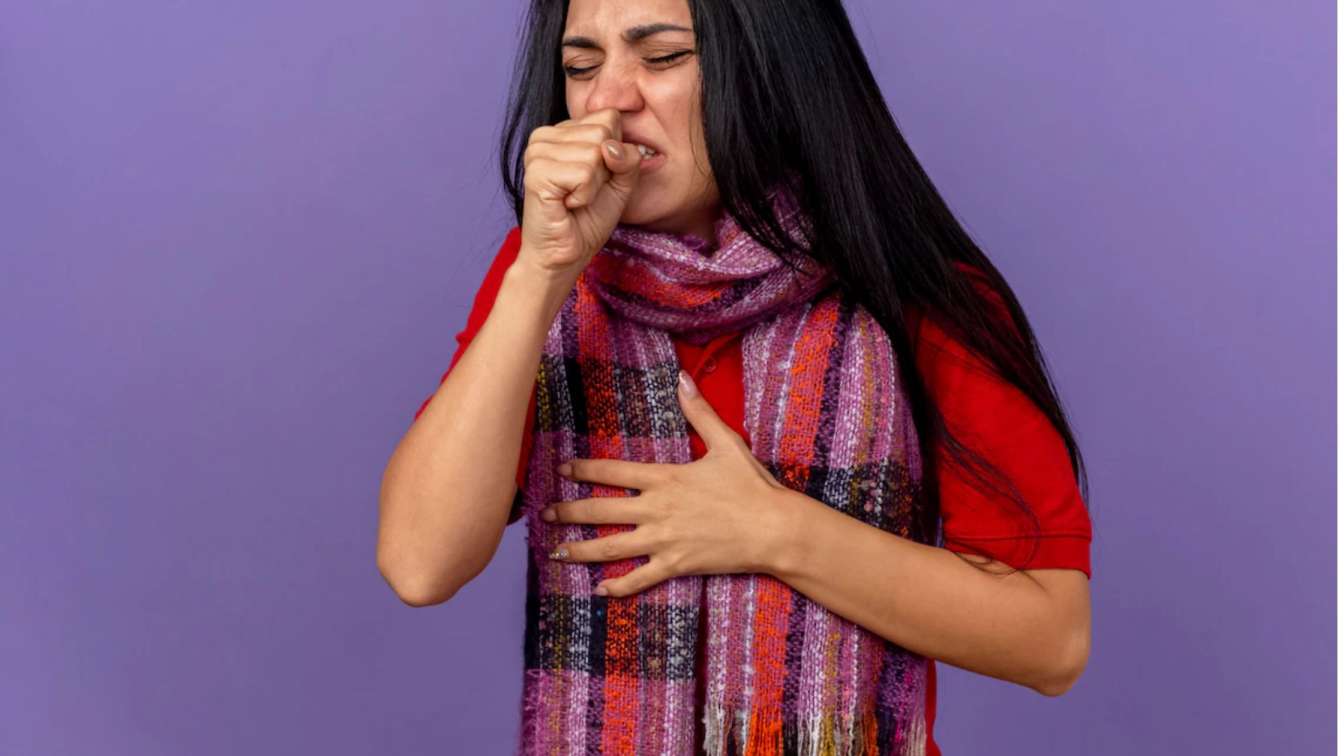
Before we talk about time, you need to know why this happens. When you breathe in pollen from flowers, grass, or trees, your body thinks it is a bad thing. Your body starts a fight. It makes a chemical called histamine. This histamine causes itching, sneezing, and running nose.
But histamine also does one more thing. It disturbs your sleep. It makes your brain feel foggy. It releases other chemicals that make your muscles feel heavy. This is not like normal tiredness after work. This is a deep tiredness that feels like your bones are tired.
Your body also uses a lot of energy to fight pollen. That energy is not left for your daily work. So you feel low. You feel lazy. You feel like lying down the whole day.
Read Also: Why Do Allergies Get Worse At Night
How Long Does This Tiredness Last in Different People?
Let me break it down by type of person. This will help you understand your own case.
For a person with mild allergies
If your allergies are mild, you get a little sneezing and light itching. In this case, the tiredness lasts only two to four days. You may feel low energy for the first two days. Then your body settles down. You feel normal again without any medicine.
For a person with moderate allergies
Moderate means your nose blocks often, your eyes get red, and you sneeze many times in a row. For such people, the fatigue lasts one to two weeks. The first week is hard. You feel sleepy in the day. The second week slowly gets better. But if pollen count goes up again, the tiredness can come back.
For a person with severe allergies
Severe means you have allergy symptoms almost every season change. Your nose never feels fully open. You get cough and wheezing. You feel dizzy sometimes. For these people, the fatigue can last three to six weeks. Sometimes the tiredness stays even after other symptoms like sneezing go away. This is because your body stays in fight mode for a long time.
For children and old people
Children often show tiredness by being cranky. They do not want to play. They want to sleep more than usual. This lasts about one week on average.
Old people have slower body response. Their fatigue can last longer. Sometimes up to four weeks. This is because their body takes more time to clear the histamine.
Does The Fatigue Last All Season
This is a very common question. Many people think if pollen season is two months, then tiredness also stays two months. That is not true.
The fatigue comes in waves. Let me explain.
Pollen count goes up and down. On a high pollen day, you feel more tired. On a low pollen day, you feel better. So even if the season lasts two months, you will not feel tired every single day. You will have good days and bad days.
But there is one problem. If you keep getting exposed to pollen every day without a break, your body never fully recovers. Then the tiredness can feel like it is lasting the whole season. In such cases, people say “I have been tired for two months straight.” But actually, the tiredness goes down a little on some days and comes back on others.
Things That Make Your Fatigue Last Longer
Now let me tell you real things that increase the duration of your fatigue. If any of these apply to you, your tiredness will last longer.
You do not take any medicine
Many people in India think allergies are small thing. They say “chalta hai” and take no medicine. This is a mistake. Without medicine, your body keeps fighting for many days. The fatigue stays longer. With the right medicine, the fatigue goes away two or three times faster.
You live in a city with high pollution
If you live in cities like Delhi, Mumbai, Kolkata, or Bengaluru, the pollution makes your allergy worse. Pollution particles carry pollen deeper into your nose and lungs. This makes the body fight harder. So fatigue lasts longer. In clean air places, the same person may get only four days of fatigue. In polluted cities, that same person may get twelve days of fatigue.
You have bad sleep already
If you already have sleeping problems like waking up at night or sleeping late, then allergy fatigue will hit you harder. Your body does not get the rest it needs to recover. So the tiredness stays for many extra days.
You eat foods that increase histamine
Some foods make your body release more histamine. These are tomatoes, brinjal, banana, chocolate, and fermented foods like idli or dosa batter that is too old. If you eat these during allergy season, your fatigue lasts longer. If you stop eating these, the fatigue goes away faster.
You keep windows open at night
At night, pollen count is high in many places. If you keep your windows open, you breathe pollen the whole night. This means your body never gets a break. So the fatigue does not end quickly. It keeps going day after day.
How Long Until You Feel Better After Starting Medicine?
This is a very practical question.
If you start the right allergy medicine, you will feel less tired in two to three days. But full energy may take seven to ten days.
Let me be clear. The sneezing stops faster. The itching stops faster. But tiredness is the last thing to go away. This is because your body needs time to flush out all the histamine and calm down the inflammation. So do not worry if you are taking medicine but still feel tired on day three. Give it at least one full week.
You May Also Like: Effective Allergy Treatments for Kids: A Comprehensive Guide
When Does Fatigue Go Away Completely?
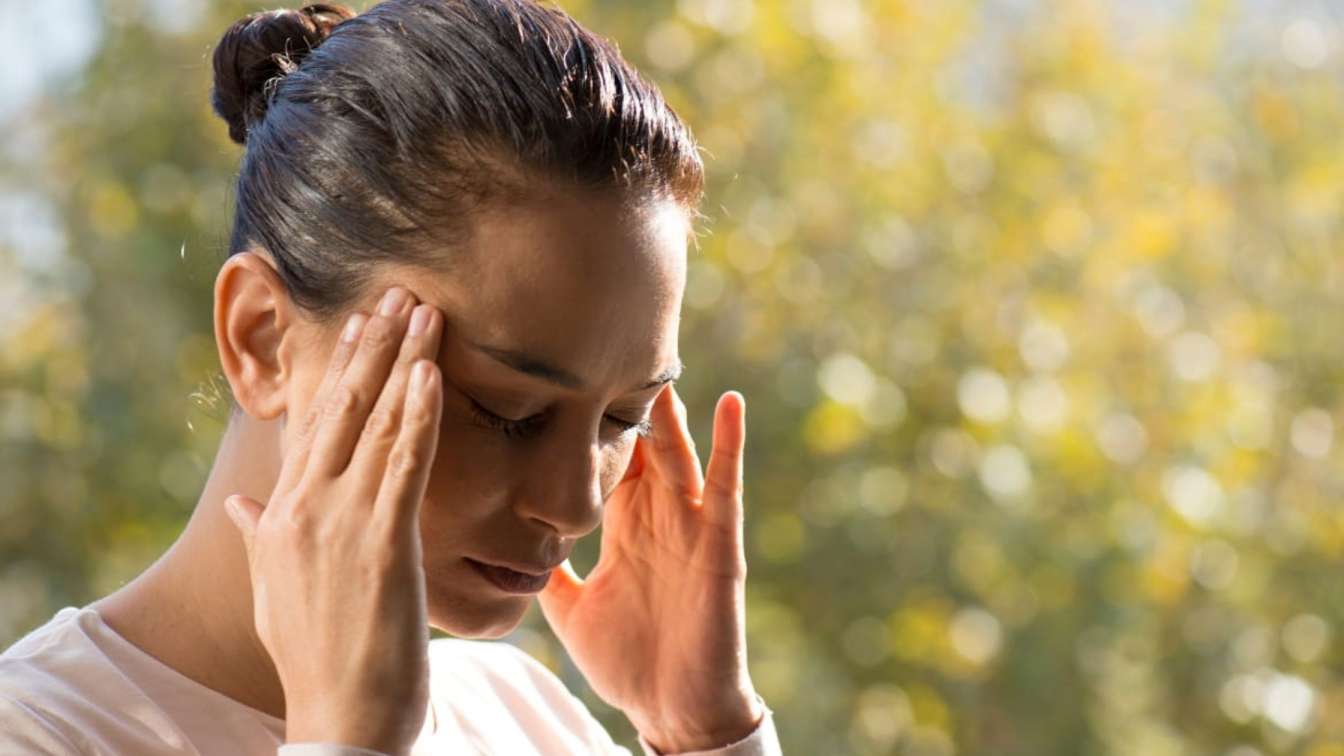
Completely means you feel exactly like before the allergy season started. No foggy brain. No heavy limbs. No afternoon sleepiness.
For most people, this takes two weeks after the pollen season ends. Yes, even after the pollen is gone, your body keeps recovering. The tiredness slowly fades. One day you wake up and feel fresh. That is the day the fatigue is completely gone.
For severe cases, complete recovery can take four weeks after the season ends. This is normal. Do not panic.
A Real Day By Day Example
Let me give you a realistic example. This will help you know what to expect.
Day 1 to Day 3 – You feel very tired. You sleep nine hours but still feel sleepy at 2 pm. You do not feel like working. Your eyes feel heavy.
Day 4 to Day 7 – You feel a little better. You can work for half a day. But by evening you are very tired. You need a nap.
Day 8 to Day 14 – You feel mostly okay. But some days you have sudden tiredness for two to three hours. This is normal. Your body is still healing.
Day 15 onwards – You feel normal. No sudden tiredness. You feel fresh in the morning.
This is for a person with moderate allergies who takes medicine. If you do not take medicine, add one more week to each stage.
When The Fatigue Lasts More Than Two Months?
If your fatigue lasts more than two months, it is probably not from seasonal allergy fatigue last. It could be something else. Do not ignore this.
Some other things that cause long lasting tiredness are:
- Low vitamin B12 or vitamin D
- Thyroid problem
- Sugar problem (diabetes)
- Sleep apnea (breathing stops during sleep)
- Long COVID
So if your allergy season finished two months ago but you are still tired, go to a doctor. Do not keep thinking it is just allergy.
What Can You Do To Make Fatigue Go Away Faster?
Now let me give you real actions. Not fancy tips. Real things you can do today.
Close your windows and doors
From 5 am to 10 am, pollen is very high in the air. Keep everything closed. Use an AC if you have. If no AC, open windows only after 11 am. This one thing alone cuts your fatigue time by half.
Wash your face and hair when you come home
Pollen sticks to your hair and skin. When you lie on your pillow, that pollen goes to your nose. Wash your face with plain water. Wash your hair every evening if possible. This reduces the pollen load on your body.
Take a shower before sleeping
This is very important. A shower washes away all pollen from your body. Then you sleep clean. Your body recovers faster. Fatigue goes away sooner.
Drink warm water throughout the day
Warm water helps your body flush out histamine. Drink small sips every hour. Do not drink cold water. Cold water can make your nose react more. Stick to warm or room temperature water.
Use a saline nasal rinse
A simple salt water rinse of your nose removes pollen directly. Do this in the morning and evening. It is safe. It works. It makes your fatigue go away two to three days faster.
Change your bedsheet every three days
Pollen falls on your bed. Then you sleep in it. Change bedsheet more often during allergy season. This is a small thing but it makes a big difference in how long your fatigue lasts.
Signs That Your Fatigue Is Ending
How will you know the fatigue is going away? Look for these signs.
- You wake up before the alarm feeling okay, not heavy
- You do not feel sleepy in the afternoon
- Your legs do not feel heavy when you climb stairs
- You feel like talking to people
- You do not need tea or coffee to stay awake
When you see these signs, your fatigue is ending in two or three days.
One Important Warning
If you feel tired and also have trouble breathing, or your lips turn slightly blue, or you feel your heart beating very fast without doing anything, this is not normal allergy fatigue. Go to a hospital. This could be a serious allergy reaction or asthma attack.
Also if your tiredness comes with very high fever or body pain, that is not allergy. That could be dengue, viral fever, or chikungunya. Do not mix these up.
Conclusion
Let me close with the simplest answer.
For most people, seasonal allergy fatigue lasts between five days to fourteen days. If you take medicine and keep your home pollen free, it stays near five days. If you do nothing, it goes near fourteen days or more.
If you have severe allergies, it can last three to six weeks. But you will not feel equally tired every day. Some days will be better. Some days will be worse.
The most important thing to remember is – the tiredness goes away when the pollen season ends. Just give your body time. Help it by closing windows, washing yourself, and taking the right medicine. Do not suffer silently. And do not think you are lazy. This is real tiredness from a real body process. It is not in your head.
If you still feel tired after two months of the season ending, meet a general doctor. Get your blood checked. There is always a reason for long tiredness. And most reasons are fixable.
Take care of yourself this allergy season. Rest when you need to rest. Your body is fighting a small war. Give it time to win.
Related Post
 18
18 Jun
Early Signs Of Colon Cancer In Women Under 50
Doctors are seeing more cases of colon cancer in women under 50. This is a change from the past, when this disease was mostly found in older people. The number of young adults getting colon cancer has nearly doubled in.
Read More 08
08 Jun
Resistance Training For Healthy Aging
I want to tell you something. Most people think getting old means getting weak. They think your back starts hurting. They think you cannot walk far. They think you fall down for no reason. That is not the truth. The.
Read More 01
01 Jun
Signs Of High Functioning Anxiety In Adults
Many people think anxiety is something that stops you from working. They think a person with anxiety cannot go outside. They think such a person cannot talk to others. But that is not always true. There is a different kind.
Read More
21 May
How Long Does Seasonal Allergy Fatigue Last
If you have seasonal allergies, you know the feeling. Your nose runs. Your eyes itch. But there is another problem that people forget. That problem is tiredness. Deep tiredness. You feel like sleeping all day. You feel weak. This is.
Read More